How long a sports career lasts and what it depends on
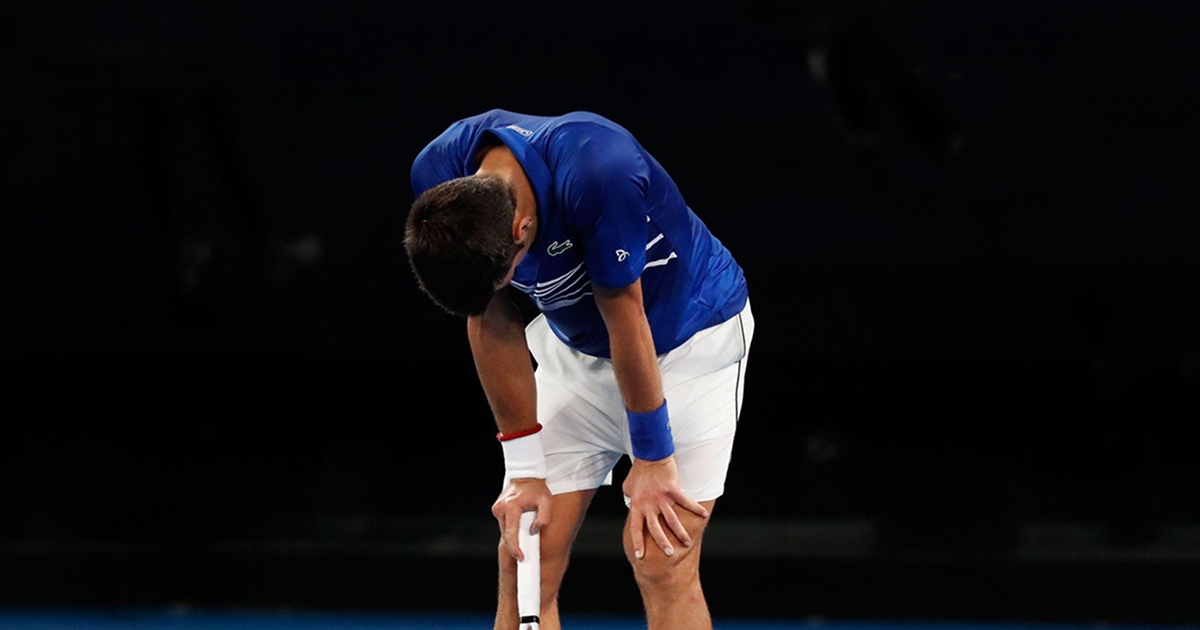
The length of a sports career is rarely predictable. The question of how long a sports career lasts depends on the type of sport, physical demands, level of competition, and individual characteristics of the athlete. In many cases, professional sport takes up a relatively short period of life, and careers end much earlier than in most other professions.
In some disciplines, this is especially evident. For example, the average career in the NFL lasts about 3.3 years, while in the NBA it is approximately 4.5–6 years. High intensity, risk of injury, and constant competition lead many athletes to retire before the age of 30.
How long a sports career lasts in different sports
This is also linked to physiology. In most sports, peak physical performance is reached between the ages of 20 and 30. During this period, strength, endurance, speed, and recovery ability are at their optimal levels. With age, these factors gradually change, and experience, tactics, and load management begin to play a greater role.
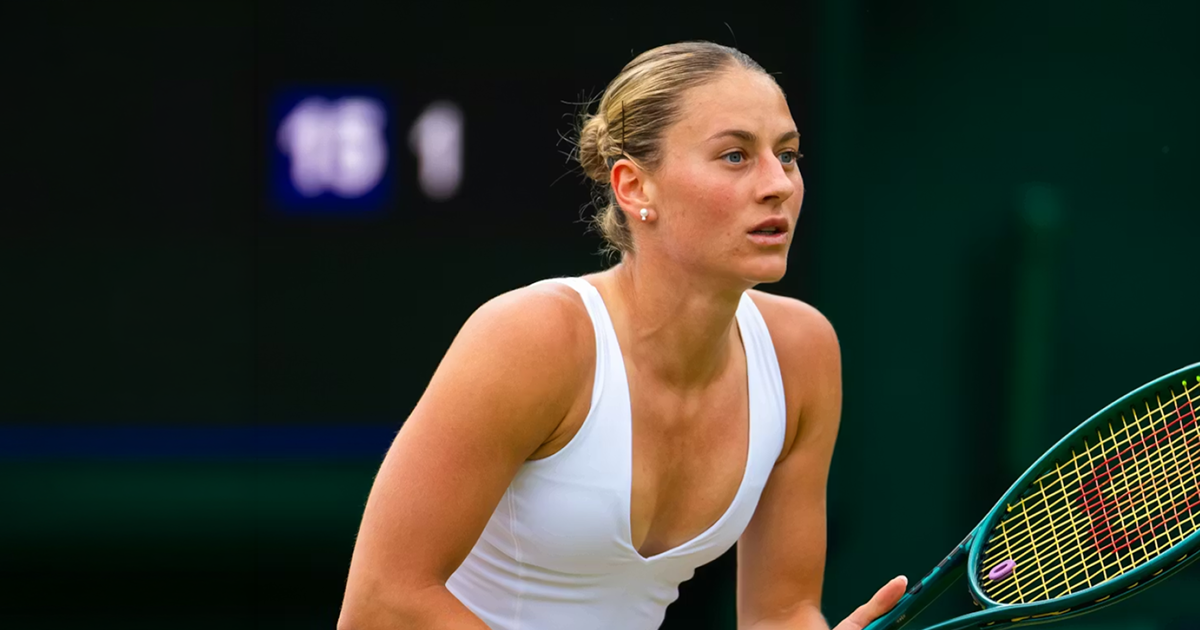
Images: Marta Kostyuk, Wimbledon 2024, Shutterstock
Similar patterns can be observed at the Olympic level. In athletics, peak performance often occurs at around 27 years of age. After that, results may change, while the importance of preparation, recovery, and the ability to adapt training increases.
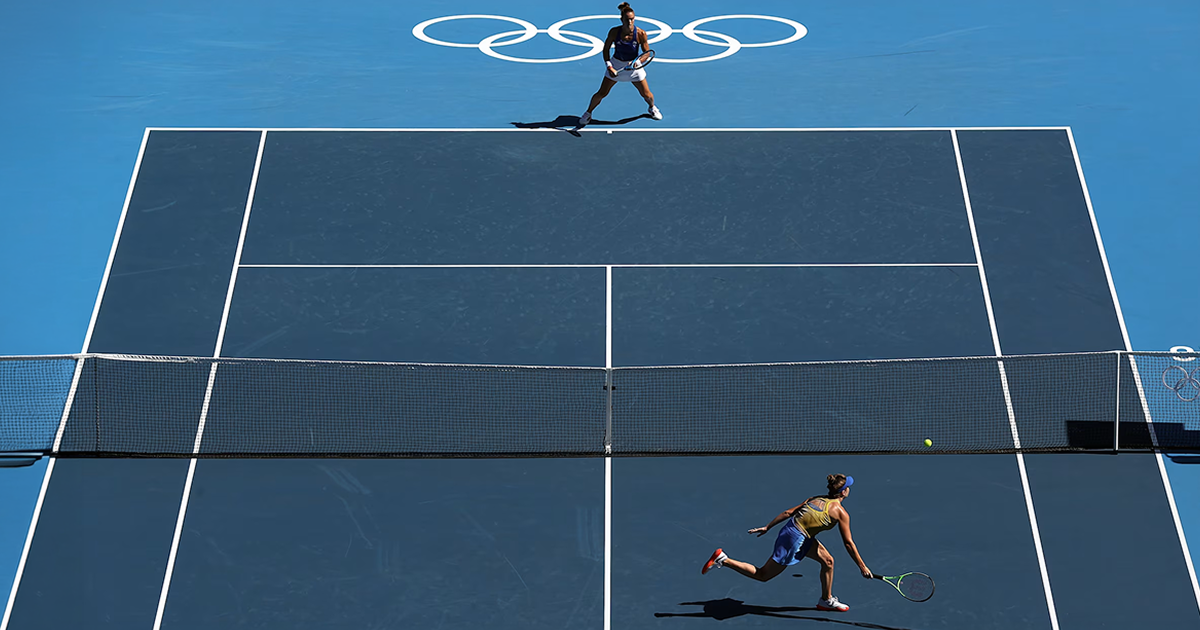
Images: Getty Images
At the same time, the end of a career is rarely determined by age alone. In most cases, decisions are influenced by other factors — injuries, accumulated fatigue, the difficulty of maintaining consistent results, and high competition. Even a slight decline in performance can significantly affect an athlete’s trajectory.
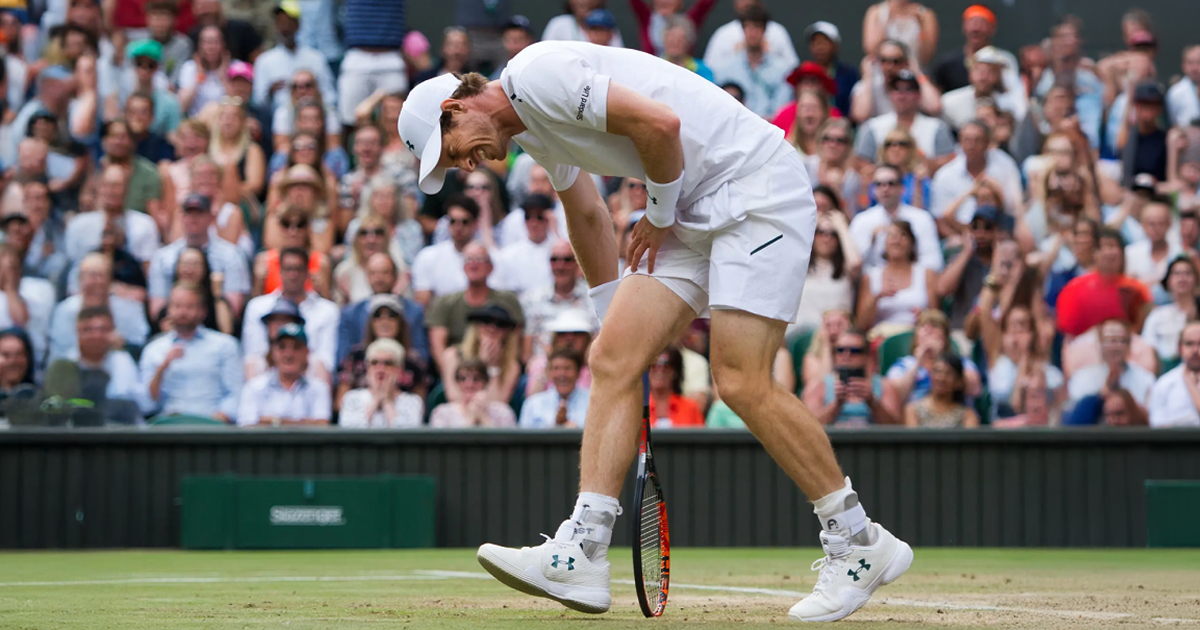
Images: Getty Images
Against this background, tennis stands out. In this sport, careers often last longer because results depend not only on physical abilities but also on technique, tactics, and experience. As players age, they adapt their style of play and place greater emphasis on recovery and season planning, which allows them to remain competitive.
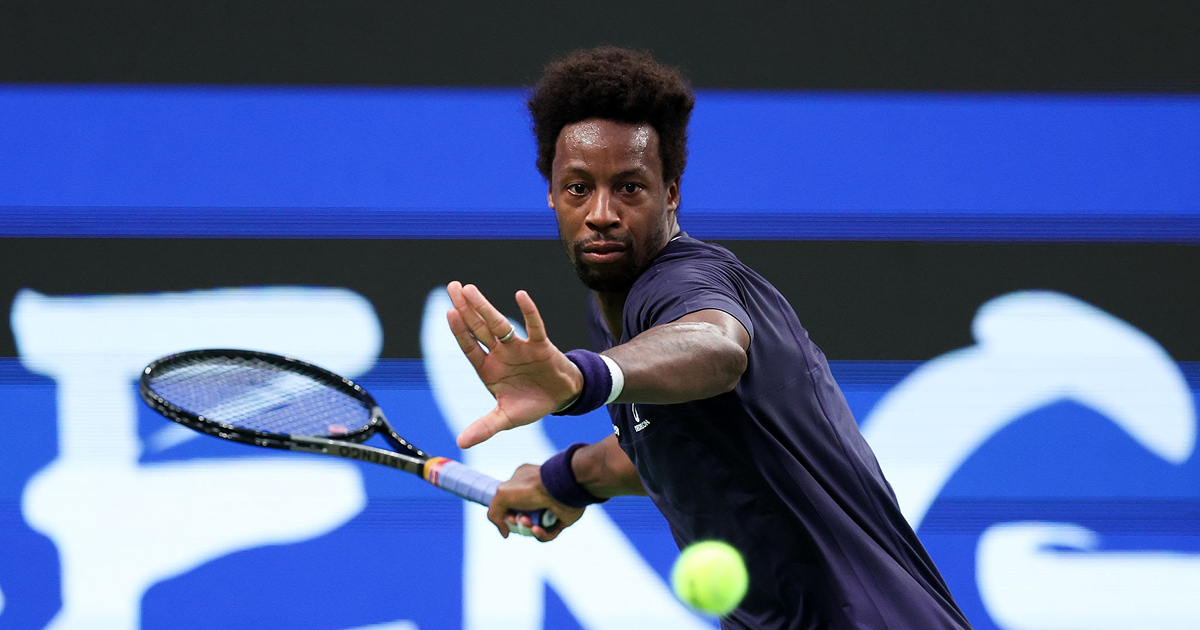
Images: Gaël Monfils, Miami Open 2024, Zhizhao Wu/Getty Images
This is why tennis offers many examples of long careers. Novak Djokovic, Venus Williams, and Elina Svitolina continue competing after the age of 30, demonstrating different career paths at the professional level.
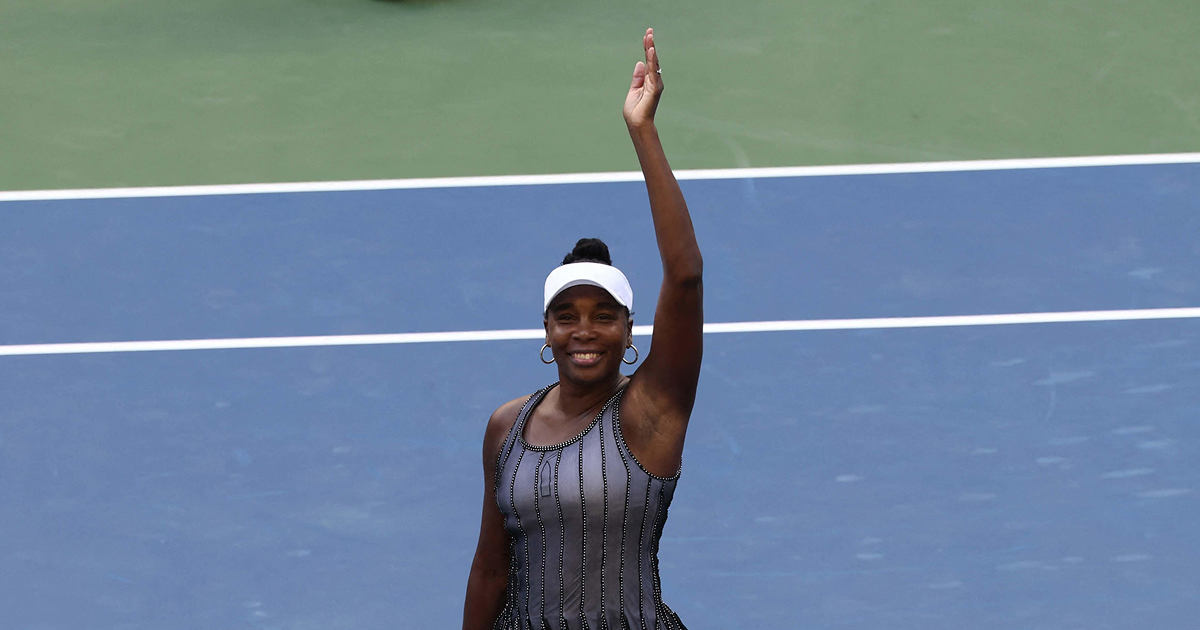
Images: REUTERS/Kevin Lamarque
Some careers extend even further. Rafael Nadal ended his professional career in 2024 at the age of 38, playing his final match at the Davis Cup Finals. Roger Federer competed at the highest level until the age of 41. Their careers illustrate how a systematic approach to preparation, recovery, and long-term planning can significantly extend a professional path.
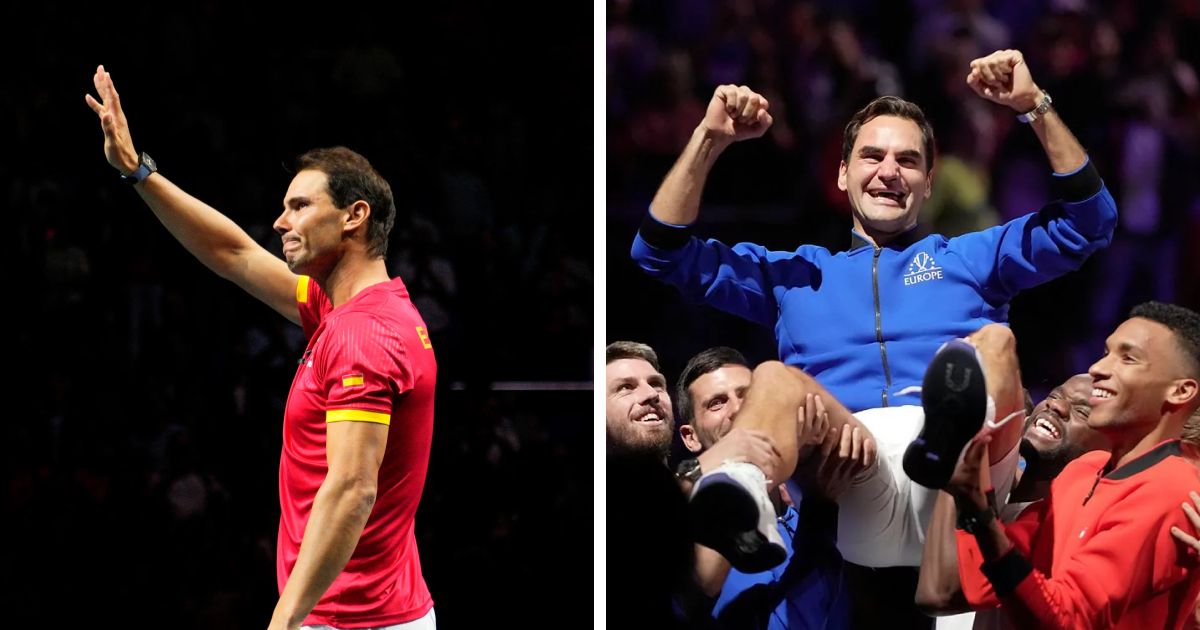
Images: Getty Images and AFP
At the same time, even the longest sports career eventually comes to an end. This is why many athletes think in advance about the next stage — education, business, or roles within the sports industry.
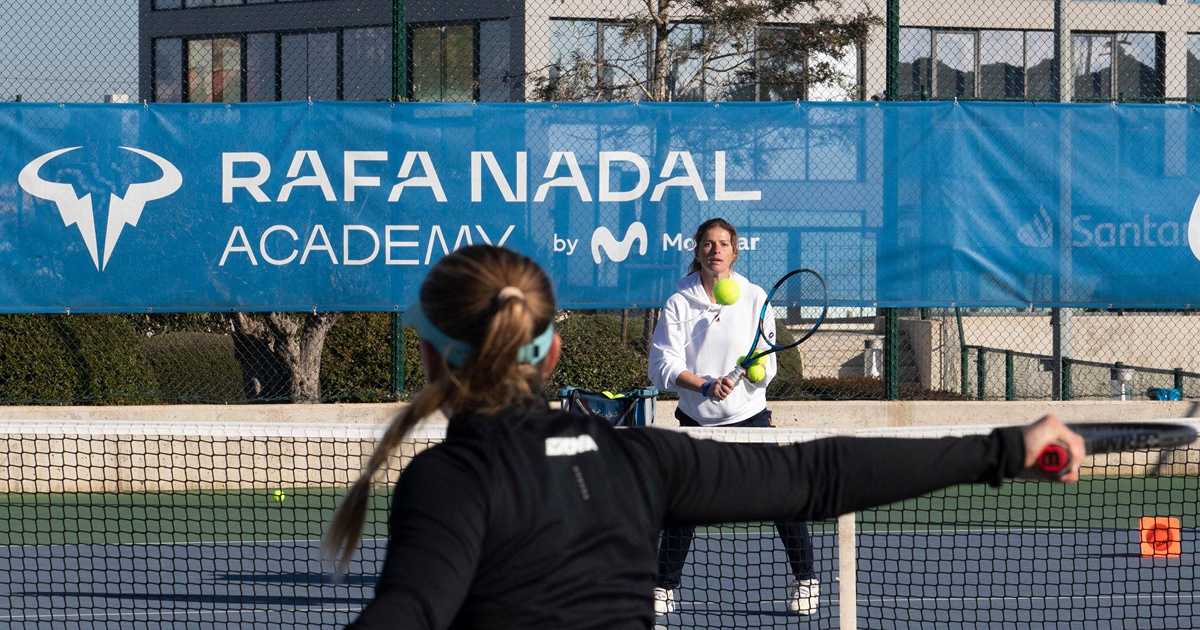
Images: Rafa Nadal Academy by Movistar / Official Media
In the European Union and within the approach of the International Olympic Committee, combining sport and education is considered an important part of athlete development. It helps prepare for life after competition and creates a more stable long-term perspective.
At the same time, sport itself is not limited to a professional career. Ukrainian Leonid Stanislavskyi, the oldest competitive tennis player in the world, shows that sport can last a lifetime. In 2021, he became the world’s best player in the 90+ age category, and his name is included in the Guinness World Records.
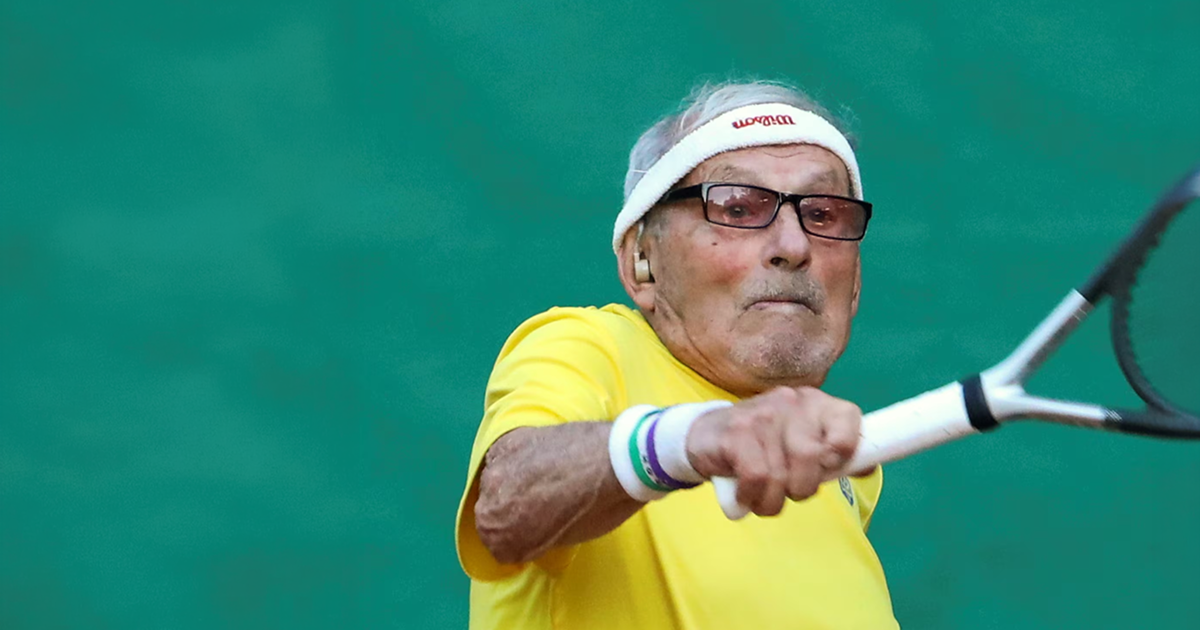
Images: 97-year-old Leonid Stanislavskyi, REUTERS/Vyacheslav Madiyevskyy
Conclusion
A sports career can last from a few years to several decades, depending on the sport, approach to training, and individual capabilities. In most cases, however, it has a limited timeframe, and this is a natural part of the athletic journey.
That is why it is important to see sport not only as a stage, but as part of a broader life path that includes development, education, and new opportunities after a career ends.