How sports affect learning: what changes in focus, discipline, and thinking
The combination of sports and academics often raises concerns, especially among parents. Do training sessions interfere with school performance? Is there enough time for studying if a child trains regularly?
At the same time, sports are closely linked to the development of skills that directly influence academic success. These include focus, thinking, discipline, and emotional resilience — all of which shape how a child approaches learning.
Regular training helps improve concentration, process information more effectively, and handle academic pressure with greater ease. In this article, we explore how these changes show up in everyday learning and school performance.
Focus beyond the classroom
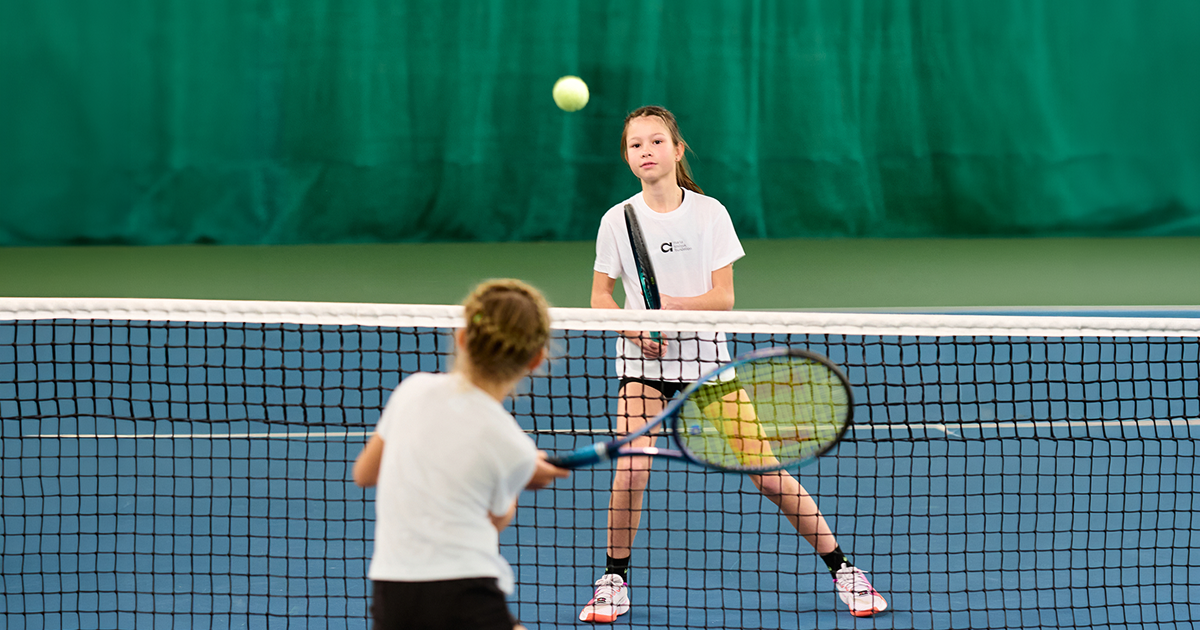
During training, a child constantly works with attention: tracking the ball, reacting to changes, and making decisions in seconds. This type of focus requires continuous engagement.
Over time, this ability carries over into school. Students find it easier to concentrate on tasks, stay engaged during lessons, and work with information without constant distractions. This is why sports and learning often reinforce each other.
Thinking in motion
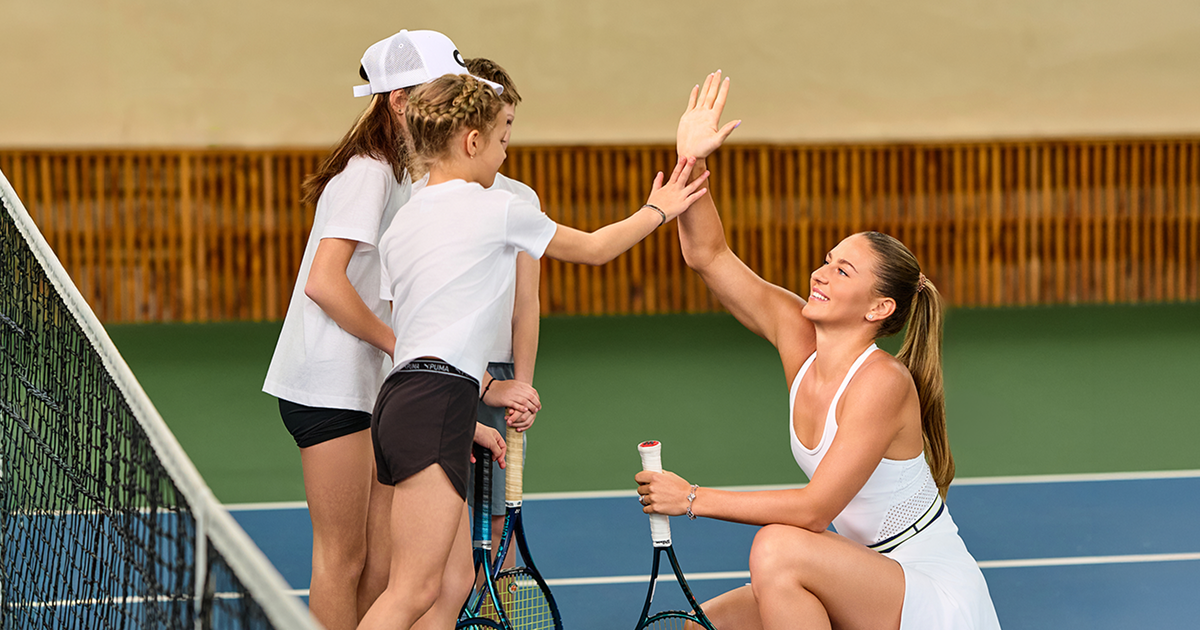
Physical activity supports brain function and helps students engage more quickly in the learning process. After movement, it becomes easier to absorb new information and find solutions.
This is noticeable in everyday learning: children process information faster, navigate material more easily, and handle complex tasks with greater confidence.
Discipline and responsibility
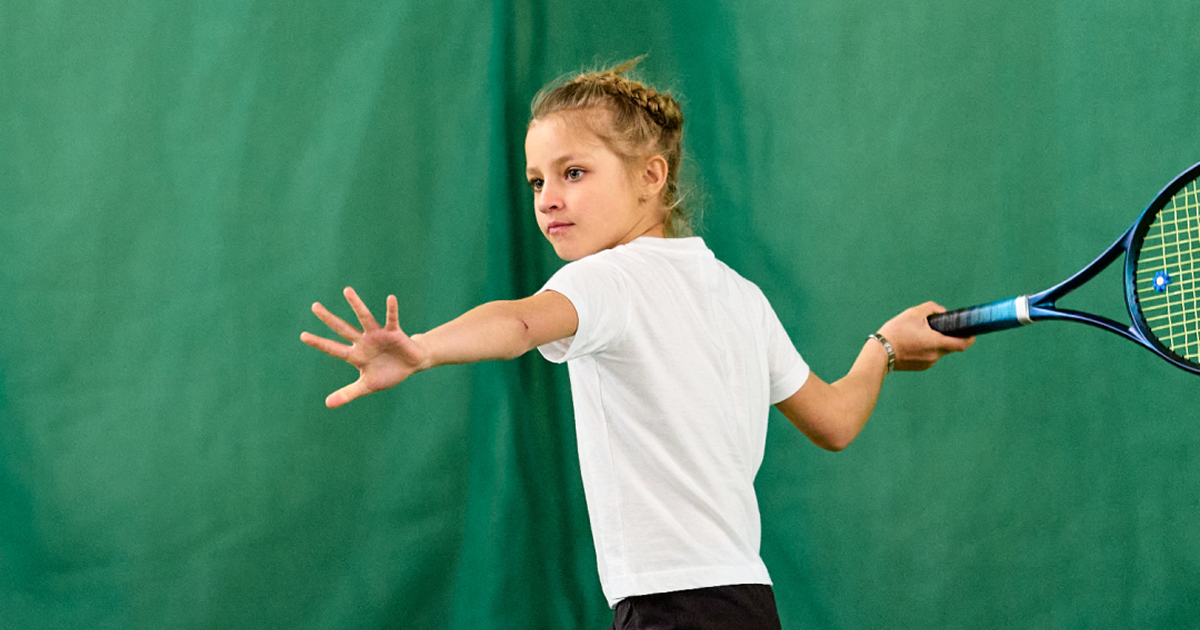
Regular training creates structure and rhythm in a child’s day. It builds habits around scheduling, time management, and consistency.
These habits extend into schoolwork. Students become more organized, and their approach to assignments becomes more structured and reliable, which directly impacts academic performance.
Emotional resilience and stress reduction
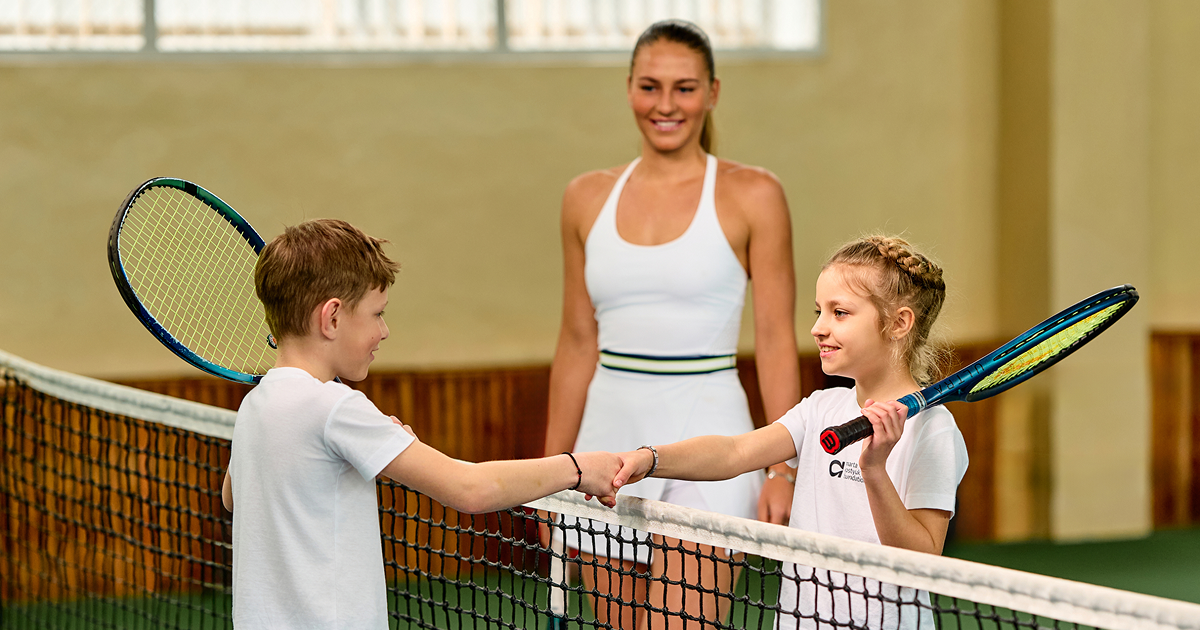
Learning often comes with pressure — tests, deadlines, expectations. Physical activity helps reduce stress and restore emotional balance.
After training, students return to their studies with a clearer mind and a calmer state. This helps them navigate periods of intense academic workload more steadily.
Confidence in learning
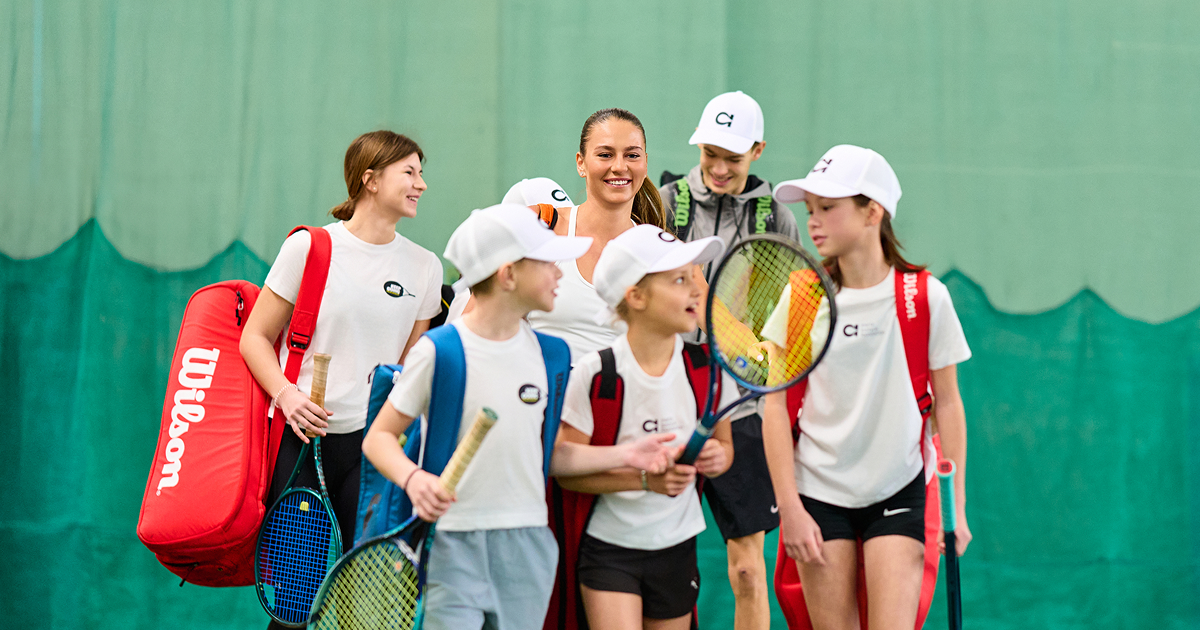
In sports, progress is visible. Even small achievements help children better understand their abilities.
This carries over into learning. Students are more willing to take on challenging tasks, less afraid of mistakes, and more confident in moving forward.
Can sports interfere with learning?
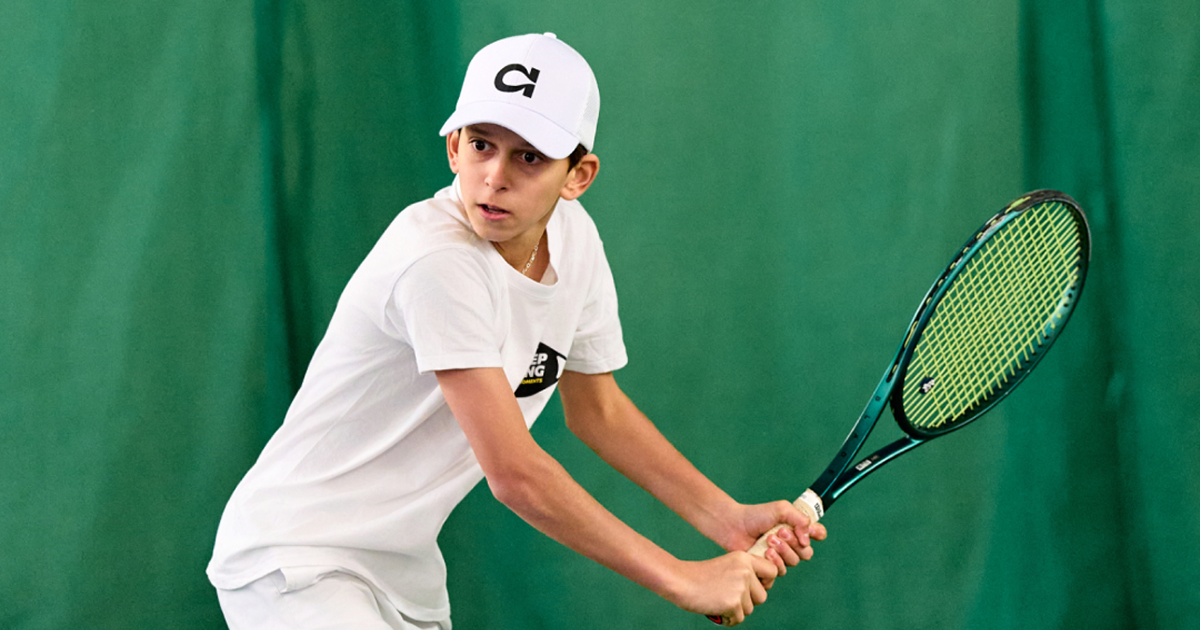
The impact of sports on learning often depends on balance. When schedules are overloaded or lack structure, challenges can arise.
With a balanced approach, sports help organize the day and support the development of skills that are essential for learning in both children and teenagers.
Conclusion
Sports affect learning through skills developed outside the classroom: focus, discipline, emotional resilience, and confidence.
This is a gradual process that supports not only a child’s overall development but also their academic performance and long-term ability to learn.