Tennis in Ukraine: Key Findings from the Marta Kostyuk Foundation Research

What a survey of children, parents, and coaches revealed about accessibility, interest, and the challenges facing tennis in Ukraine
The development of tennis in Ukraine depends on how accessible this sport is for children and teenagers in different regions of the country. The Marta Kostyuk Foundation works to ensure that tennis is not perceived as distant or unattainable, but becomes part of young people’s everyday lives — with opportunities to train, receive support, and grow in a positive environment.
To better understand the current state of tennis in Ukraine, the Marta Kostyuk Foundation, together with the research company Gradus, conducted a comprehensive study. Children, parents, and members of the sports community from different regions of the country took part in it.
Certain aspects of this research will be explored in detail in a series of thematic articles on the Foundation’s website. The full version of the results, including the methodology and detailed data, is available in PDF format via the link.
How the Tennis Research in Ukraine Was Conducted
To provide a complete picture, the research consisted of three separate stages and combined qualitative and quantitative approaches.
As part of the project, the following were conducted:
- Qualitative research (September 2024): in-depth interviews with 27 respondents — athletes, coaches, media representatives, the Tennis Federation of Ukraine, and the Ministry of Youth and Sports. The goal was to analyze the state of tennis and identify key challenges related to coaching staff, officiating, promotion, and technical support.
- Quantitative research among tennis families (February 2025): a survey of 216 parents of young tennis players and 100 children aged 14–18. The goal was to examine career expectations, training approaches, and prospects for tennis development.
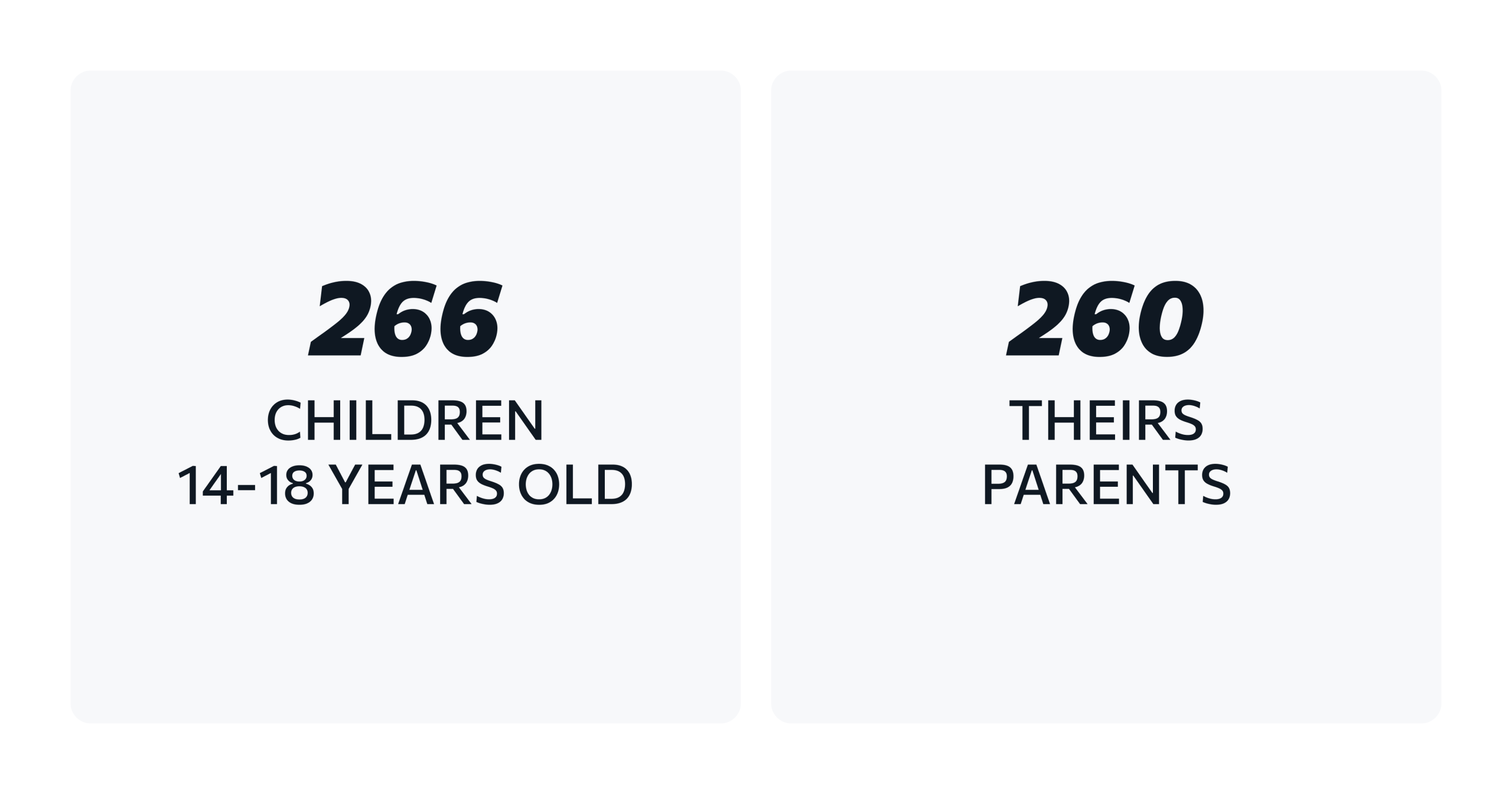
- Quantitative research on physical education in schools (January 2025): a survey of 260 parents of children aged 6–18 and 266 children aged 14–18. The goal was to assess satisfaction with physical education classes and the condition of sports infrastructure in educational institutions.
This approach made it possible to combine the experience of the tennis community, the perspective of families of young athletes, and the broader context of access to sports in schools.
Children’s Interest in Tennis in Ukraine
The research results showed that tennis remains one of the most attractive sports for schoolchildren. Every third child in Ukraine would like to play tennis at school. Interest in this sport is almost the same among boys and girls — the difference is about three percent.
This indicates the strong potential of tennis as a discipline that can appeal to a wide range of children regardless of age or gender.
The Role of Parents and Financial Barriers
The study confirmed the decisive role of parents in children’s athletic development. Families provide funding for training, equipment, travel to competitions, and daily support.
At the same time, the financial factor remains the main obstacle. 81% of parents noted that tennis is too expensive. Significant costs for regular training and tournament participation make tennis inaccessible for many children.
These issues are discussed in detail in a separate article dedicated to the affordability of tennis in Ukraine.
Access to Tennis Across Ukrainian Regions
Interest in tennis is higher in large cities, where there are more sports clubs and coaches. In smaller towns and villages, tennis is either completely unavailable or remains financially out of reach for most families.
The lack of clubs and appropriate infrastructure becomes a barrier even for motivated children. The absence of conditions for regular practice limits opportunities for the development of junior tennis at the local level.
Sports Infrastructure in Schools
A separate focus of the research was the state of physical education in schools. The data show that children’s access to sports often depends on basic conditions in educational institutions.
Among the main problems parents mention are:
- lack of quality sports equipment
- poor condition of gyms and sports grounds
- limited choice of sports within the school curriculum
This highlights the importance of developing accessible formats of training and integrating tennis into the school environment.
What Holds Back the Development of Tennis in Ukraine

Research participants identified a number of systemic problems affecting tennis development:
- lack of financial support in the form of grants and scholarships
- limited number of programs to engage children from an early age
- low level of investment and sponsorship support
- insufficient number of tournaments to gain competitive experience
- shortage of qualified coaches, especially in the regions
These factors reduce children’s chances of staying in sport and developing in the long term.
Why This Research Matters
The results show that interest in tennis in Ukraine remains stable, but is often limited by a lack of access. Further development of the sport requires a systemic approach — from supporting children and families to improving infrastructure, coaching programs, and competitive opportunities.
Next Steps
This article provides an overview of the key findings of the research. Detailed analyses of specific topics — children’s interest, financial barriers, infrastructure, and parents’ expectations — will be published in a series of thematic materials on the Marta Kostyuk Foundation website.
For full access to the research results, the complete report is available in PDF format via the link.