What Chess and Tennis Have in Common
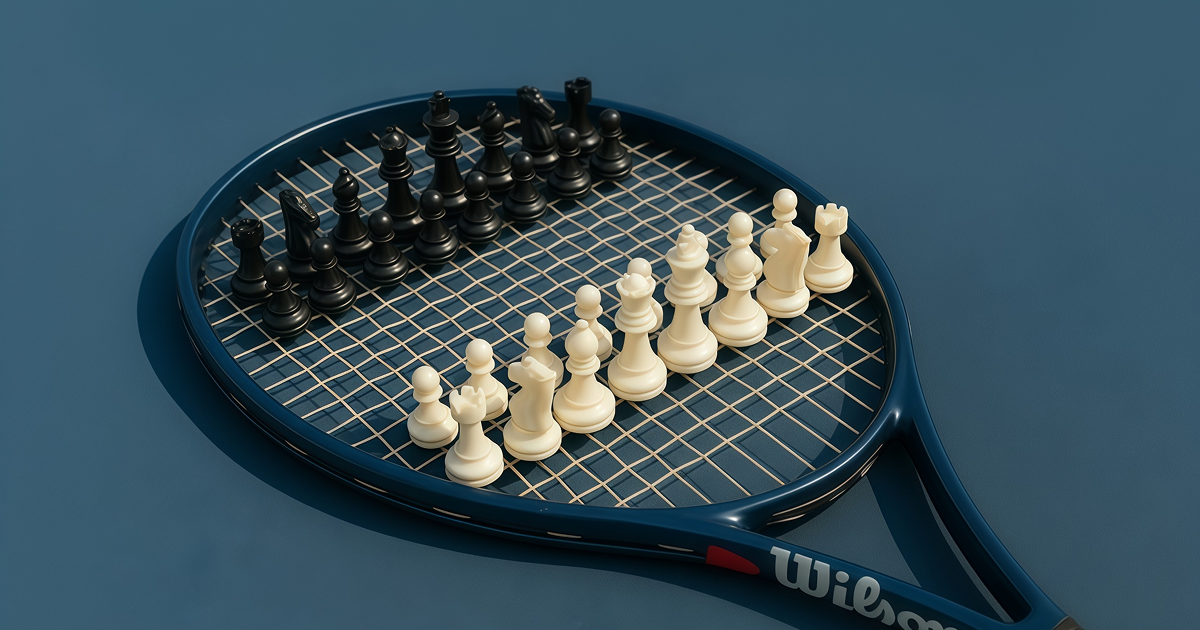
Chess and tennis are often viewed as very different activities. One is associated with logic and calm decision-making, while the other is linked to movement and physical effort. At the same time, these two sports share fundamental principles that shape how players think, plan, and make decisions during the game.
Both chess and tennis develop strategic thinking, situational analysis, and the ability to adapt to an opponent’s actions.
The Core Similarities Between Chess and Tennis

Chess and tennis are built on sequences of actions and forward planning. Success depends not on individual moves or shots alone, but on the overall structure of the game. Both chess players and tennis players continuously evaluate positions, risks, and possible outcomes as a match or game unfolds.
The Role of Strategy in Chess and Tennis
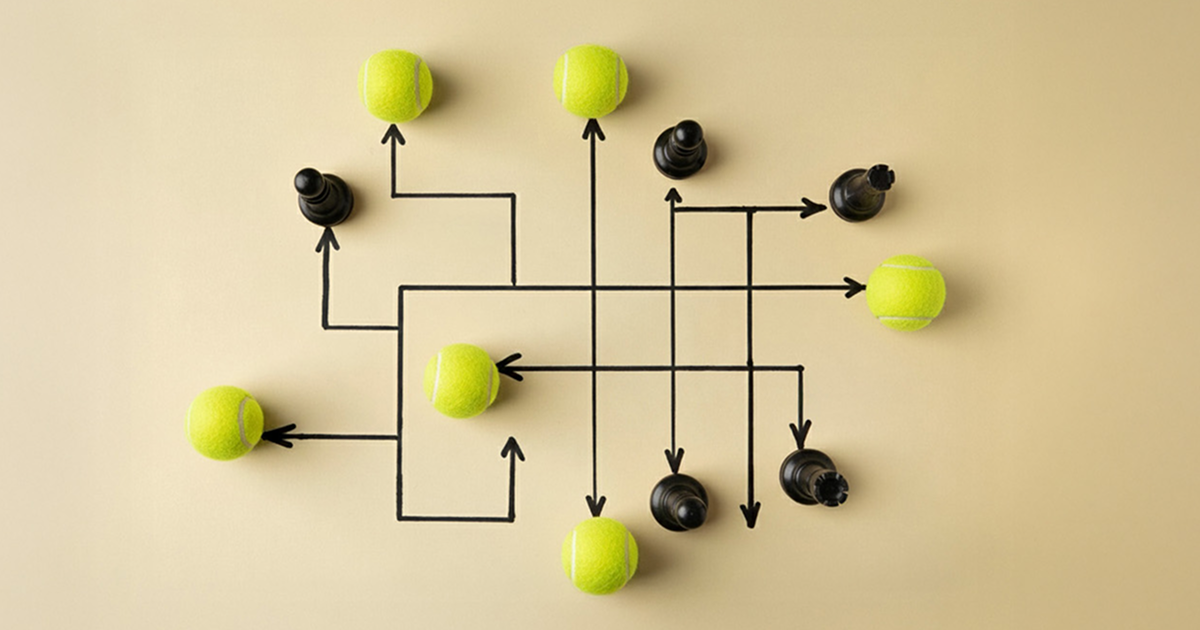
Strategy is a key element in both chess and tennis. In chess, it involves long-term planning based on piece placement and control of the board. In tennis, strategy is reflected in shot selection, serve placement, pace of play, and rally tactics. Well-planned actions often determine the outcome of a game or match.
Reading the Opponent

Both sports require close observation of the opponent. In chess, players analyze patterns, tendencies, and preferred positions. In tennis, players pay attention to positioning, movement, reactions, and habits during serves and rallies. The ability to anticipate an opponent’s next move or shot provides a significant advantage.
Decision-Making at Critical Moments
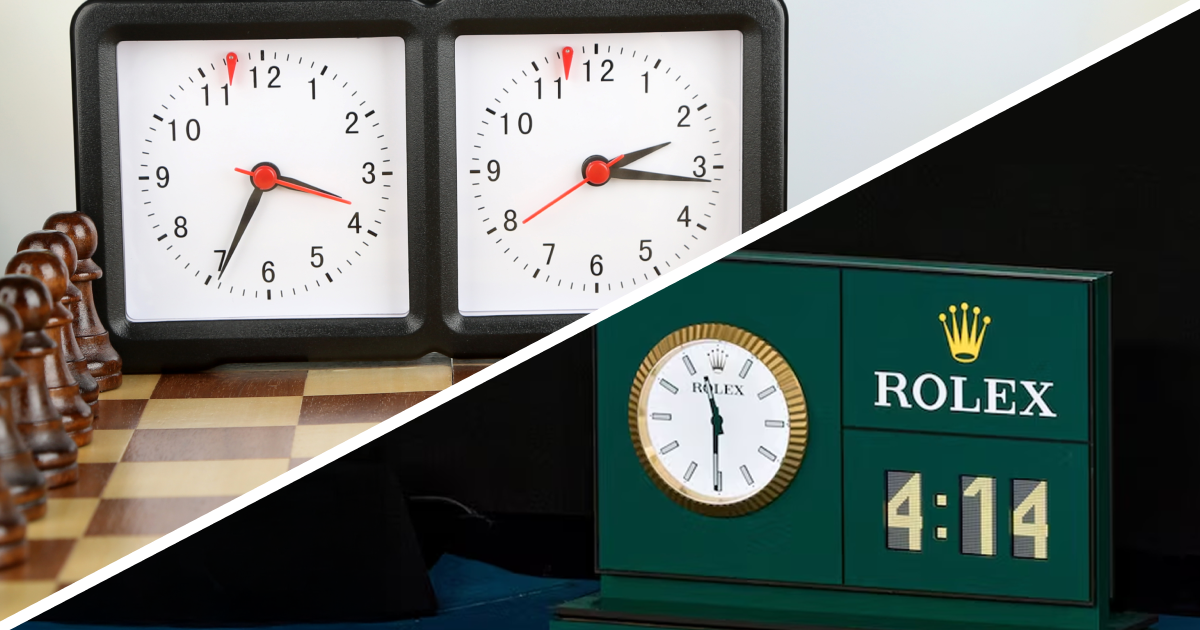
In chess, decisions may take minutes to develop, while in tennis they are often made within seconds. In both sports, timely and well-considered decisions can change the course of the game. Concentration, composure, and confidence in one’s choices play a decisive role.
Chess and tennis are connected through their intellectual demands. Both sports encourage strategic planning, analytical thinking, and adaptability. These shared qualities explain why chess and tennis, despite their outward differences, are closely aligned in their underlying principles.