Why dual career is becoming more important in sport
Professional sport often takes up most of an athlete’s life from an early age. Training sessions, tournaments, travelling, and constant competition gradually become the centre of everyday life. But every sporting career has its limits, and sooner or later athletes face the question of what comes after it ends.
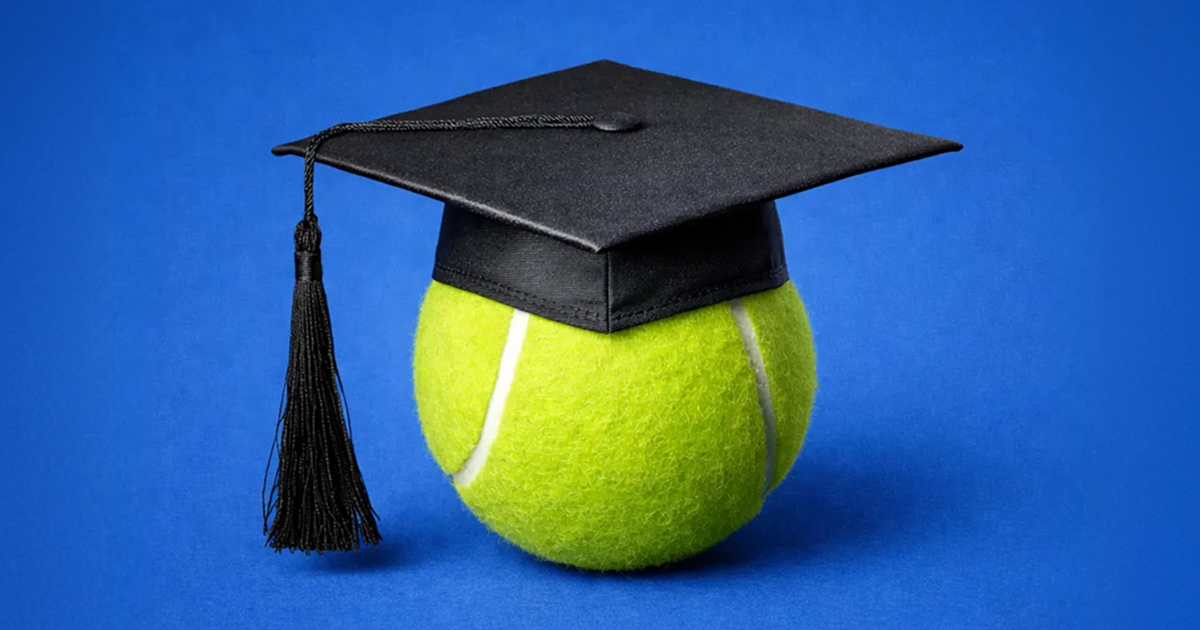
That is why the idea of dual career is becoming more widely discussed around the world — an approach that allows athletes to combine sport with education or professional development alongside professional sport.
What dual career means
Dual career is a model in which athletes continue their education or develop skills in another professional field while competing professionally in sport.
It is not only about preparing for life after retirement from competition. Education also helps athletes develop skills that matter during their careers: self-regulation, discipline, time management, stress management, and decision-making under pressure.
Because of this, dual career is increasingly seen as part of an athlete’s long-term development rather than a backup plan for the future.
Why the topic is becoming more important
In many sports, careers end in an athlete’s early thirties — sometimes even earlier. After that, many athletes have to begin a completely new stage of life almost from scratch.
For many, the end of a sporting career becomes a moment of uncertainty. After years built around training schedules and tournaments, it can be difficult to quickly find a new direction or professional path.
At the same time, not all athletes are prepared for this transition. According to a PLOS ONE study published in 2019, around 60% of athletes are not aware of dual career opportunities or programmes that help combine sport and education.
Why support matters
Balancing professional sport with education is difficult without support from the people around them. Constant training, competitions, and physical and emotional pressure often make it challenging to study consistently alongside sport.
The same PLOS ONE study found that 86% of athletes considered parents their main source of support in this process, while 65% highlighted coaches. Support from people around them often helps athletes navigate this stage with more confidence and stability.
How education helps athletes
Education influences more than life after sport — it can also affect performance during an athlete’s career.
The European Union Guidelines on Dual Careers state that education helps athletes develop self-regulation, planning skills, and resilience under pressure — qualities that directly affect consistency and performance in demanding situations.
In many countries, dual career has already become a standard part of athlete support systems.
Why dual career has become an international standard
The International Olympic Committee and the European Union support dual career as an approach that helps athletes build a more stable future.
In many countries, sports federations, universities, and educational programmes already create conditions that allow athletes to combine professional sport with education without having to give up one path for the other.
In Ukraine, this approach is only starting to gain more attention, but the conversation around supporting young athletes and expanding educational opportunities is gradually becoming more visible.
How the Marta Kostyuk Foundation supports young athletes
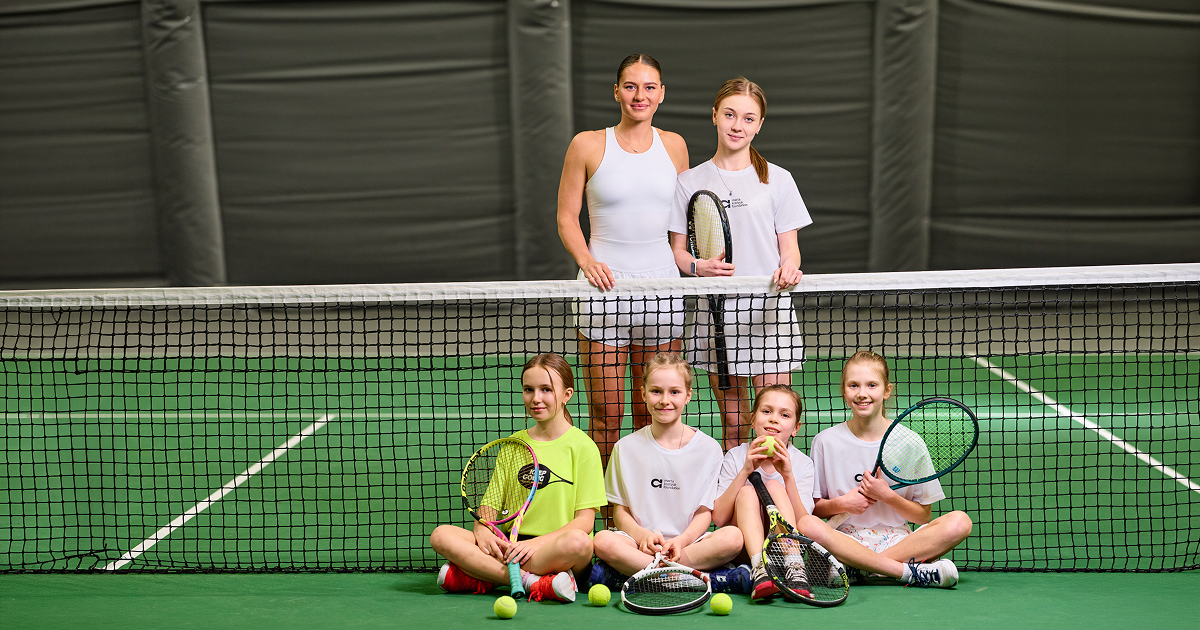
One of the key areas of the Marta Kostyuk Foundation’s work is supporting young athletes in combining sport and education.
The Foundation gives athletes access to educational opportunities, helps with scholarship applications, and provides mentoring for young athletes from low-income families. These programmes help athletes overcome financial barriers and create more opportunities for development both in and beyond sport.
For many young athletes, this creates a way to build a future without having to choose between sport and education.