Where 15-30-40 and love come from in tennis
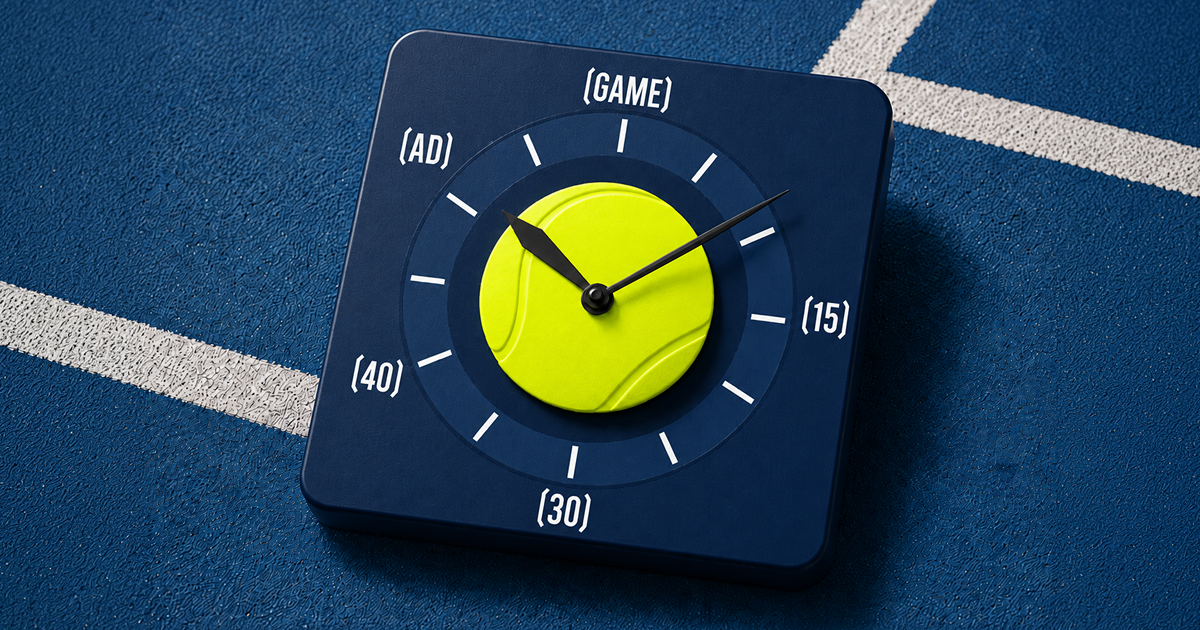
In tennis, the scoring system looks unusual even to people who regularly watch sport. Instead of the familiar 1–2–3, players hear 15, 30, 40, love, and then game. This scoring system has remained one of the most recognisable features of tennis for many years.
For new fans, the system often seems confusing. But its history began several centuries ago — long before modern Grand Slam tournaments and professional tennis.
What love means in tennis
In tennis, love means zero in tennis scoring. If the umpire calls 15-love, it means one player has 15 points while the other has none.
There is still no exact explanation for the origin of this word. One of the most common theories connects it to the French word l’oeuf — meaning “egg” — because the shape of zero resembles an egg. Over time, the pronunciation may have evolved into love.
Today, love remains another unusual tennis tradition that has stayed in the sport for many years.
How the 15-30-40 scoring system works
Within a single game, the score changes in an unusual way: after winning the first point, a player gets 15, after the second — 30, then 40, and the next point wins the game.
If both players reach 40:40, the umpire calls deuce. After that, a player must win two consecutive points to take the game.
That is why even a single game in tennis can sometimes last much longer than the scoreboard might suggest.
Where the 15-30-40 scoring system came from
There is still no single explanation for the origin of this scoring system. But the most common theory leads back to France and the early history of tennis.
It is believed that one of the earliest scoring systems was linked to a clock face divided into 60 sections. After each point won, the hand moved a quarter of the way around the clock: first to 15, then 30, then 45, and finally 60.
Later, 45 was shortened to 40. It was probably changed to make the score easier and quicker to announce during matches. That is how the 15-30-40 system gradually became established in tennis and has remained part of the sport ever since.
Why tennis never switched to regular scoring
Although tennis scoring can seem complicated to new viewers, it is exactly this system that creates the unique dynamic of the game.
In tennis, even a few rallies in a row can completely change the situation within a game. This becomes especially noticeable after deuce, when a single rally can instantly shift the momentum on court.
Over time, the 15-30-40 system became part of the atmosphere and character of tennis itself.
What deuce and advantage mean
When the score reaches 40:40, tennis enters deuce — the moment when a player must win two consecutive points to take the game.
The first point won after deuce is called advantage. If the player wins the next rally, they win the game. If they lose it, the score returns to deuce.
That is why some games can last for a very long time even without a large gap between the players.
Why the system still exists in tennis
Over the years, tennis has changed in many ways: rackets, court surfaces, the speed of the game, and even tournament rules. But the 15-30-40 system has remained almost unchanged.
Today, it is one of the sport’s most recognisable traditions — just like the grass courts of Wimbledon or the night sessions at the US Open.
And although the 15-30-40 scoring system still surprises new fans, it is difficult to imagine modern tennis without it.