How the WTA ranking works

In professional tennis, the WTA rankings determine players’ positions on the women’s tour based on their results over the previous 52 weeks. A player’s ranking affects which tournaments they can enter directly, their seeding, and who they may face in the early rounds.
That is why changes in the WTA rankings remain a major talking point throughout the season — especially during the biggest tournaments, where every match can influence a player’s position in world tennis. For many players, the battle for ranking points continues all year and shapes everything from tournament schedules to opportunities at the highest level.
How players earn WTA ranking points
The WTA ranking is based on a points system built around results from the previous 52 weeks. The number of points depends on the level of the tournament and how far a player progresses.
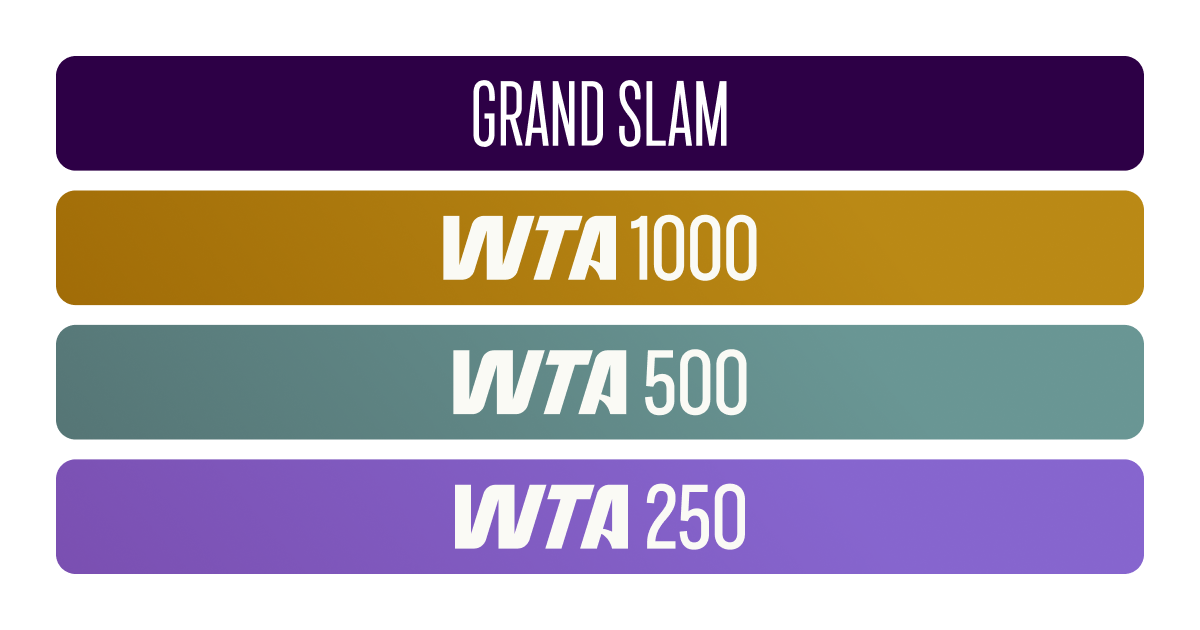
Women’s tennis includes several main tournament categories: WTA 250, WTA 500, WTA 1000, and Grand Slam events. The number in the tournament name usually reflects the number of ranking points awarded to the champion. For example, winning a WTA 500 tournament earns 500 points, while a WTA 1000 title brings 1000.
Grand Slam tournaments award the highest number of points. Winning the Australian Open, Roland Garros, Wimbledon, or the US Open gives a player 2000 ranking points.
Points are not awarded only to the champion. Players earn points for every round they reach, which means even a quarter-final or semi-final run at a major tournament can significantly affect the rankings.
Consistency matters throughout the season. Regular deep runs at major tournaments can be just as important as winning titles.
Images: wtatennis.com
Why the WTA rankings change constantly
Results in the WTA rankings do not stay forever. Every tournament result counts for only one year.
When the tournament returns the following season, the points from the previous result drop off and are replaced by new ones. If a player reached the final the year before but loses in the early rounds this time, she can lose almost all of the points from that tournament and fall in the rankings.
In tennis, this is known as defending points. It explains why players sometimes drop in the rankings even after playing well — everything depends on how their current result compares to the same tournament one year earlier.
Because of this, the WTA rankings work more like a constantly updated system of recent results than a record of an entire career.
What live rankings mean in tennis
During major tournaments, the rankings can change almost match by match. This real-time version of the rankings is known as the live ranking.
With every win, a player can move up the live rankings while the tournament is still taking place. During Grand Slams and WTA 1000 events, positions in the rankings often shift from one day to the next.
As a result, many fans follow the live rankings almost as closely as the matches themselves — especially when players are fighting for a place in the top 10 or at the top of the women’s game.
How rankings affect a tennis player’s career
A higher ranking gives players direct entry into the biggest tournaments and a better seeding in the draw.
Rankings shape almost every part of a player’s season — from the tournaments they can enter to the opponents they may face in the early rounds.
At the biggest events, top players are placed in different sections of the draw so they do not meet in the opening rounds. This makes positions inside the top 16 or top 32 especially important: it often helps players avoid the strongest opponents early in the tournament and gives them a better chance of making deeper runs.
As a result, the fight for ranking positions continues throughout the season — from the opening tournaments of the year to the final events on the calendar.

Images: wtatennis.com