How to overcome fear before a tennis match
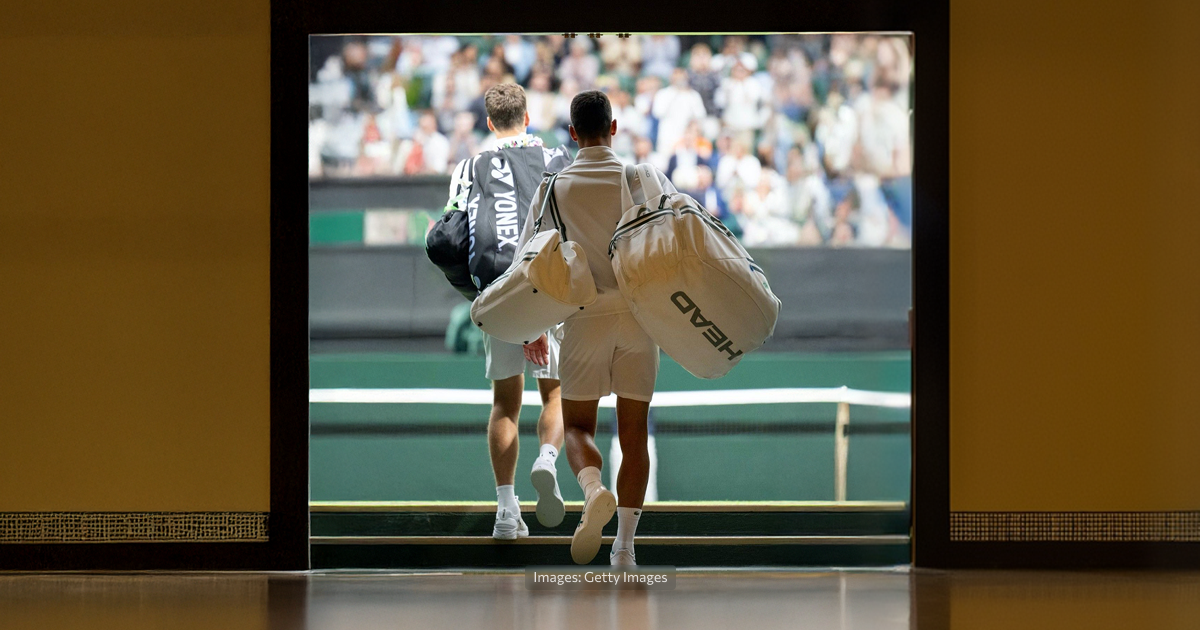
Feeling nervous before stepping onto the court is not something only beginners experience. Even professional tennis players speak openly about the tension they feel before matches, especially when facing important games, unfamiliar opponents, or high expectations.
Fear before playing tennis is often linked to mistakes, fear of judgement, or internal pressure. But feeling nervous does not mean weakness. In many cases, it simply means that the match genuinely matters to you.
Why fear before a match is normal
Before a match, the body naturally reacts to pressure: heart rate increases, concentration sharpens, and the body shifts into a state of readiness.
In sport, this is a completely normal reaction. Most players feel nervous before competing, regardless of their level. The difference is not the absence of fear, but the ability to work with it during the match.
Breathing helps restore focus
When nerves take over, attention often shifts towards the result: the score, mistakes, or fear of losing. As tension rises, it becomes harder to stay present in the game.
Deep breathing helps players slow down and refocus on the game. In tennis, this is especially important between rallies, when there are a few seconds to regain concentration and ease inner tension.
Visualisation helps reduce tension
Many athletes use visualisation before matches and training sessions. It helps them prepare mentally and reduce internal pressure.
Imagining movement, serves, or successful rallies can make it easier to settle into the match. That is why many players picture the game before stepping onto the court — it helps create a greater sense of calm and control during play.
Nervous energy can be used positively
Fear before a match is often accompanied by strong emotional tension. But that same reaction can also become a source of energy.
In the right state, nerves can help players stay alert, react faster, and engage more fully in the match. This is why many athletes learn not to eliminate tension completely, but to manage it.
Mistakes are part of the game
It is impossible to play a tennis match without mistakes. Even professional players miss shots and lose points regularly.
Trying to play perfectly often increases fear and makes movement feel tighter. It is far more important to stay composed, learn from difficult moments, and continue playing point by point.
Self-support matters
The way a person speaks to themselves during a match affects confidence and emotional balance on court. Harsh self-criticism after every mistake usually increases tension even more.
Supporting yourself is far more effective. Sometimes a short reminder is enough: “I’m ready”, “I can handle this”, or “Keep playing the next point.”
Over time, nerves do not necessarily disappear completely, but they stop controlling the game. And very often, that is where real confidence on court begins.