Burnout in young athletes: how to recognise it and what can help
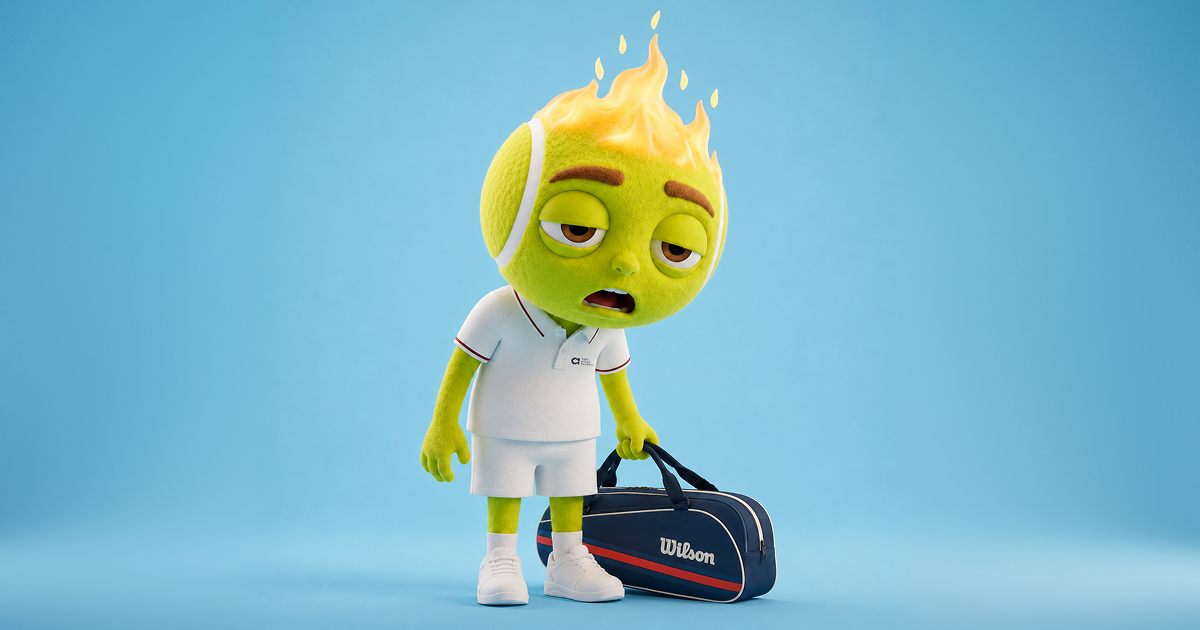
Not long ago, a child may have looked forward to training, wanted to play tournaments and talked about their matches on the way home. Over time, that attitude can change: getting ready for training becomes increasingly difficult, results stop feeling rewarding, and a sport that was once an important part of their life begins to feel like an obligation.
One difficult week or not wanting to train after an exhausting tournament does not necessarily mean burnout. Periods of tiredness, disappointment and lower motivation are a natural part of sport. Changes that persist after rest and gradually affect how a child feels about their sport deserve closer attention.
We look at how burnout can appear in young athletes, what can increase the risk of developing it, and what parents and coaches can do when sport stops being enjoyable for a child.
Tiredness or burnout: what is the difference?
After a demanding training session, an athlete may feel exhausted. After a loss, they may be disappointed. And at the end of a busy run of tournaments, they may want a few days without thinking about tennis at all. Usually, some rest helps them recover and the desire to train returns.
Sports burnout tends to be more persistent. Research commonly describes it through three main components: physical and emotional exhaustion, a reduced sense of sporting accomplishment, and the gradual devaluation of sport.
In practice, this may mean that an athlete feels constantly tired, becomes less satisfied with their progress and gradually loses interest in training and competition.
The pattern over time matters. If a child returns to their usual self after a few days of rest, they may simply have needed time to recover. If exhaustion and reluctance to train continue for weeks, it is worth looking more closely at what may be happening.
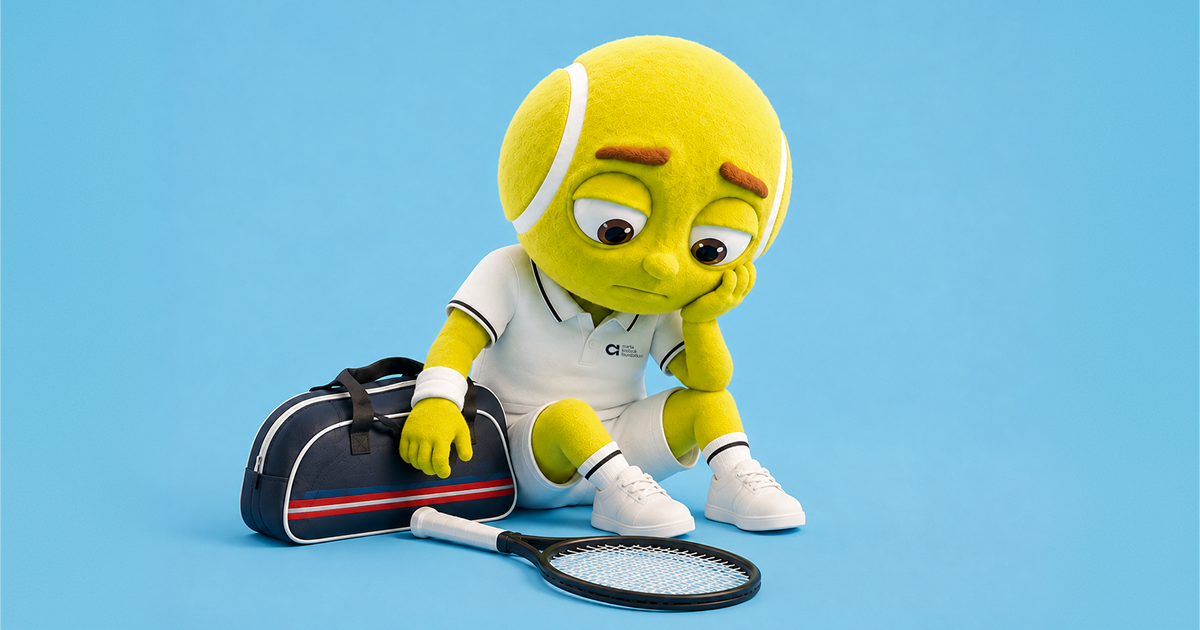
Burnout rarely has a single cause
The demands of sport change over time. Training sessions become more frequent, physical conditioning, tournaments and travel are added, and expectations around results may increase. At the same time, there is still school, sleep, friends and everything else in a child’s life.
A busy schedule does not automatically lead to burnout. What matters is the relationship between the demands placed on an athlete and their opportunities to recover.
It can help to look at the athlete’s entire week. How much training and competition is there? Are they getting enough sleep? Are there days completely free from organised sport? Is there time for friends and other interests? Can they recover from one competition before the next period of intense training begins?
Sometimes the problem only becomes clear when the whole schedule is viewed together.
When every training session feels like a test
Winning, rankings and sporting progress matter. Difficulties can arise when results gradually become the main measure of everything that happens in sport.
A child may begin to see a good match as proof that they are doing well and a poor one as evidence that they are not trying hard enough or are not talented enough. Their own expectations can also be reinforced by the reactions of adults around them.
Even everyday conversations after a match can make a difference. If the first question is always about the score, the result is given the greatest weight. Instead, parents can ask how the child felt on court, what went well, what was difficult and what they thought about their own performance.
This keeps the focus on the sporting experience and development, rather than allowing one result to become a judgement on the athlete as a whole.
Give young athletes a voice in decisions
The younger the athlete, the more sporting decisions are made by adults. Parents organise schedules and travel, while coaches plan training and recommend tournaments. As children grow older, it becomes increasingly important to involve them in these decisions.
Regular conversations can help: How do they feel during training? Do they enjoy competing? What motivates them at the moment? What has become more difficult? It is particularly important to listen when their answers do not match what adults expected to hear.
Saying they do not want to train can mean many different things: ordinary tiredness, difficulties within a training group, fear of competition, excessive pressure, a challenging relationship with a coach or simply a loss of interest.
Before trying to persuade a child to continue — or deciding that they should stop — it is worth understanding what is behind that feeling.
Check whether there is enough rest in the schedule
Rest can easily become something that happens only if there is time left after everything else. For a young athlete, that time may never appear.
The American Academy of Pediatrics recommends that young athletes have at least one day a week free from organised sports activity and take a total of two to three months away from a specific sport over the course of a year.
It is worth considering what this looks like in practice. A day without team training is not a full rest day if it is replaced by an individual session. A gap between tournaments does not provide much recovery if it is filled with additional training.
Time outside sport matters too: friends, family, other interests or simply a free evening. The more areas of life a child has beyond sport, the less likely one disappointing match is to define how they feel overall.
Changes worth paying attention to
A single symptom cannot tell you whether a young athlete is experiencing burnout. It is more useful to notice whether their behaviour and wellbeing are changing over several weeks.
Persistent tiredness, reluctance to attend training, less enjoyment of matches, increasingly negative views of their own performance, sleep problems or a growing sense that sport has become a source of stress can all be reasons to look more closely at their workload.
Changes may also appear away from the court: in mood, concentration at school, interest in seeing friends or overall energy levels. A useful question is whether this is a short difficult period or a new pattern that is gradually becoming the norm.
When the desire to train disappears
A good place to start is with a conversation, without deciding on the solution in advance. Rather than immediately asking whether the child wants to quit, try to understand what has changed.
When did training start to feel more difficult? What feels most exhausting at the moment? Is there anything about tennis they still enjoy? How do they feel before tournaments? What would they like to change about their schedule?
From there, it is worth looking at practical factors: the number of training sessions and competitions, sleep, school, recovery time and overall expectations. Sometimes a short break, fewer tournaments, an adjustment to the training load or an open conversation with the coach can help.
If exhaustion or changes in mood persist, affect sleep, school, everyday life or the child’s overall wellbeing, it is worth speaking to a paediatrician or a mental health professional who works with children and adolescents.
The next tournament is only part of the picture
In sport, it is easy to focus on the next immediate goal: an upcoming tournament, a position in the rankings or moving to the next level. But a young athlete’s sporting journey spans many seasons, and their training load cannot remain the same throughout.
As children grow, their training, goals, circumstances and feelings about sport change. Their schedule should evolve with them, leaving enough time for recovery, recognising accumulated fatigue and creating space to talk about how they feel and what they want from sport at that point in their lives.
Rest and time away from training matter just as much as the work done on court. They help young athletes maintain their energy, enjoyment and ability to continue participating without constant exhaustion.
One of the simplest indicators may be this: after months and years of training, does the child still want to come back to the court?