7 surprising facts about tennis
Tennis has existed for centuries, yet the sport still manages to surprise people today. Behind the familiar white lines and yellow balls is a history filled with matches lasting more than 11 hours, monastery courtyards, and a time when players stepped onto the court without racquets.
Some changes in tennis came with the rise of television, while others were shaped by the evolution of professional sport. These details show just how much the game has changed over the years.
The longest match in history lasted more than 11 hours
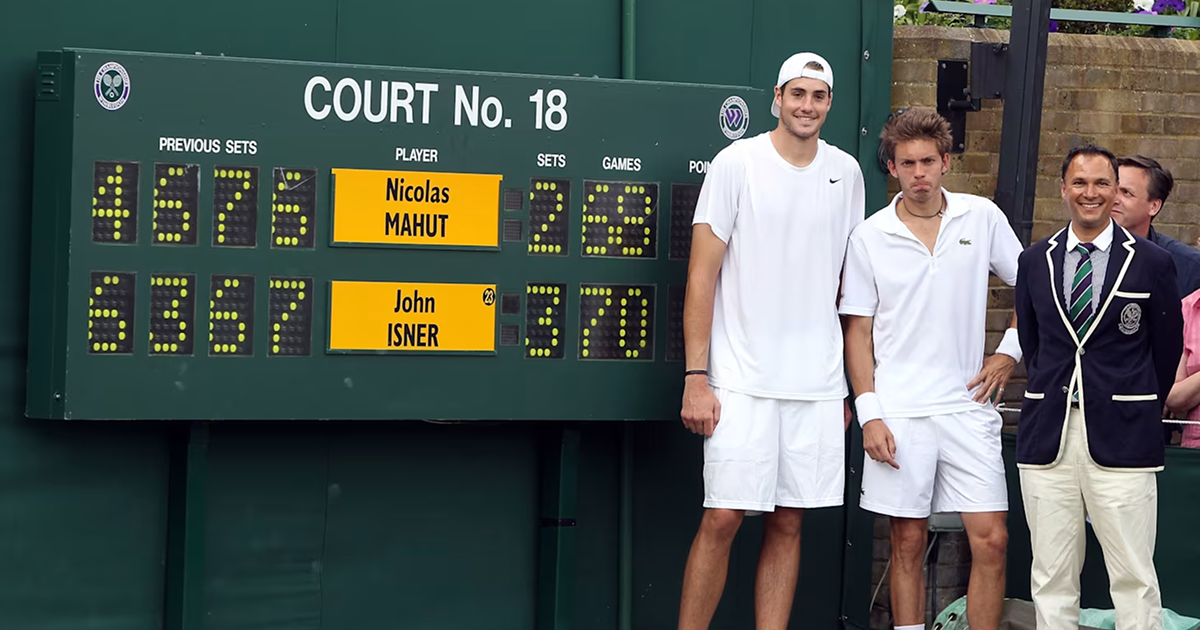
In 2010, John Isner and Nicolas Mahut played a Wimbledon match that became part of tennis history. The match lasted 11 hours and 5 minutes and stretched across three days.
The fifth set ended 70–68. The match drew significant attention to the issue of deciding-set length in professional tennis.
Images: Getty Images
Tennis was originally played with bare hands
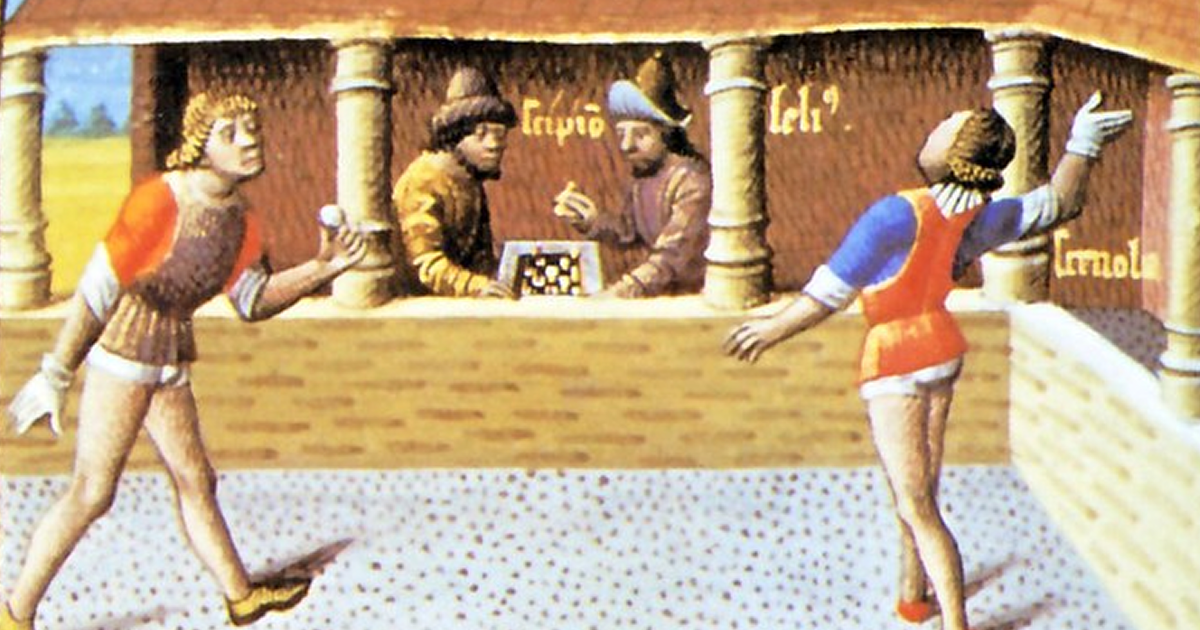
The earliest versions of tennis did not involve racquets at all. The game jeu de paume, which translates as “game of the palm”, originated in France, and players struck the ball with their hands.
Racquets only began to appear in the 16th century. Before that, players relied on hand strength and precision, which made the game very different from modern tennis.
Images: Wikimedia Commons
Tennis began in monasteries
The first matches were played in monastery courtyards in northern France as early as the 12th century. Games often took place in covered spaces, so weather had little influence on play.
Over time, tennis moved beyond monastery walls and became popular among the European aristocracy. This is how the game gradually developed into one of the world’s most recognised sports.
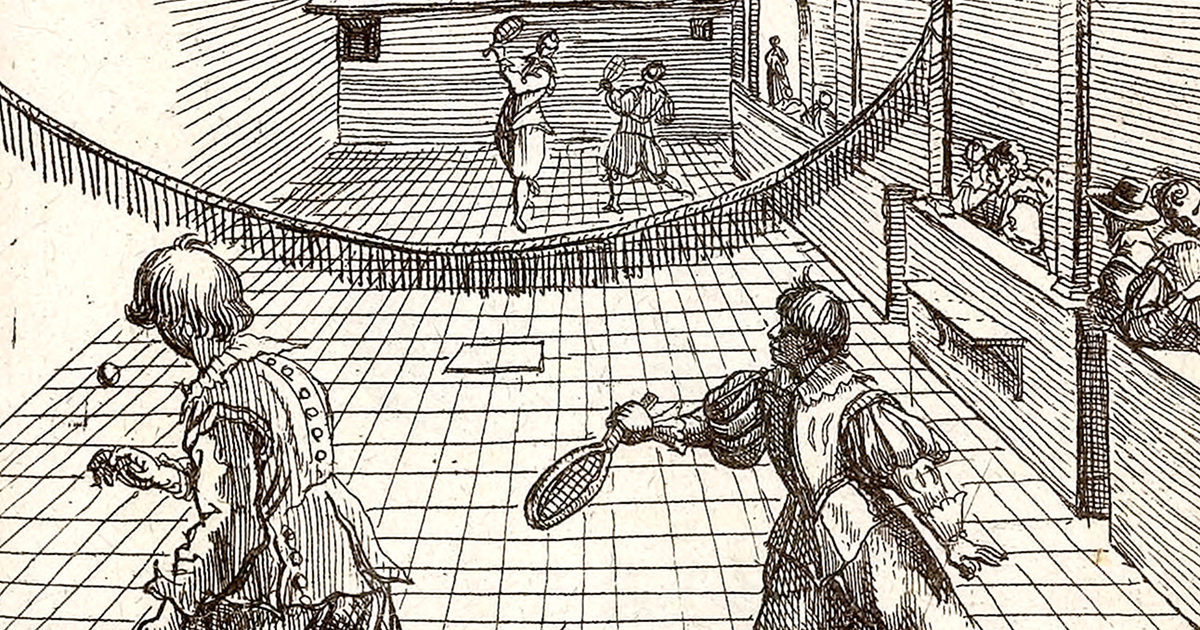
Images: Le jeu de paume à l’époque Louis XIII
The first Wimbledon took place in 1877
Today, the Wimbledon Championships are considered one of the most prestigious tournaments in the world, but the first edition took place back in 1877.
Wimbledon became the oldest tournament in modern tennis and later became part of the Grand Slam series. Many of its traditions — grass courts, all-white clothing, and royal patronage — remain part of the tournament today.
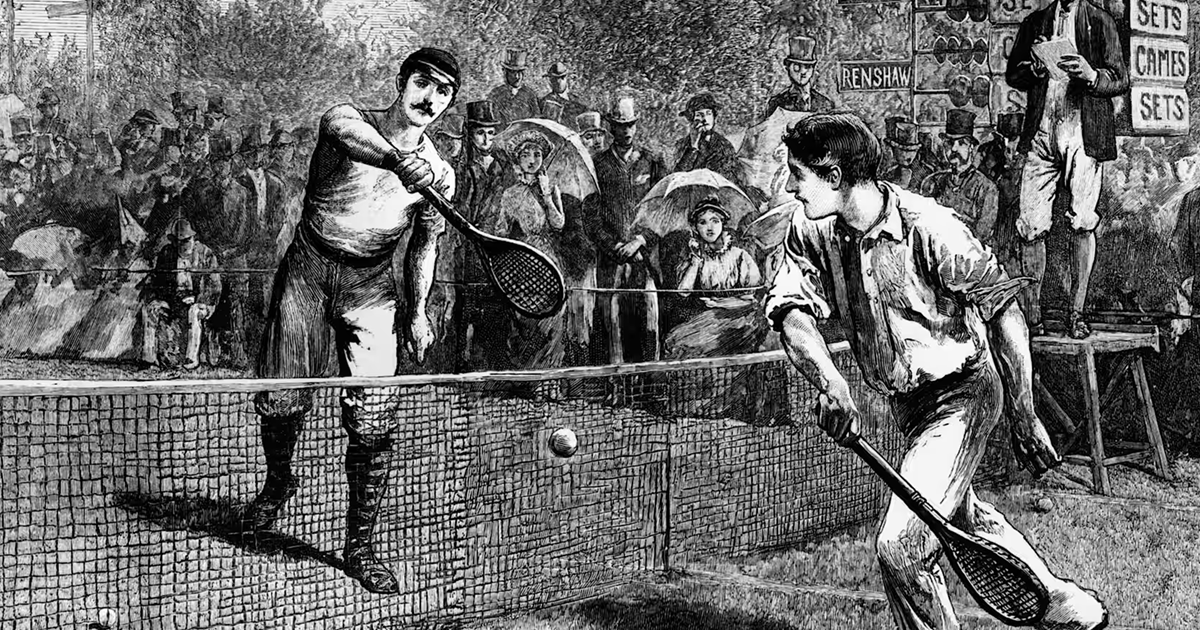
Images: Getty Images
Tennis balls were white until 1986
White tennis balls were used in professional tennis until the mid-1980s. At Wimbledon, they remained in use until 1986.
Yellow balls were introduced because they were easier to see on television screens. One of the most recognisable features of modern tennis appeared as a result of broadcast television.

Images: Wikimedia Commons
Equal prize money at Wimbledon was introduced only in 2007
Today, equal prize money at Grand Slam tournaments is widely seen as the standard, but Wimbledon introduced it only in 2007.
One of the athletes who publicly advocated for equal pay was Venus Williams. Her position became an important part of the wider discussion around equality in professional sport.
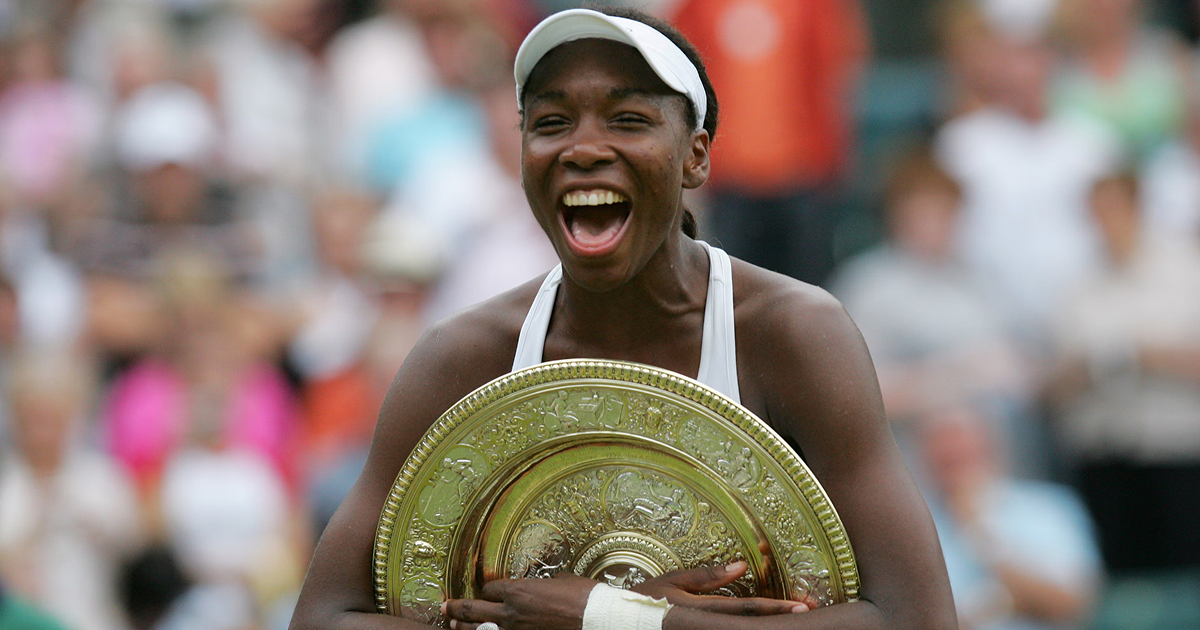
Images: Tom Jenkins/The Guardian
One of the fastest serves in tennis reached 263 km/h
Samuel Groth hit a serve measured at 263 km/h — one of the highest speeds ever recorded in tennis. It happened in 2012 during an ATP Challenger tournament in Busan.
At that speed, opponents have almost no time to react. Today, the serve remains one of the defining elements of modern tennis and often shapes the rhythm of a match.
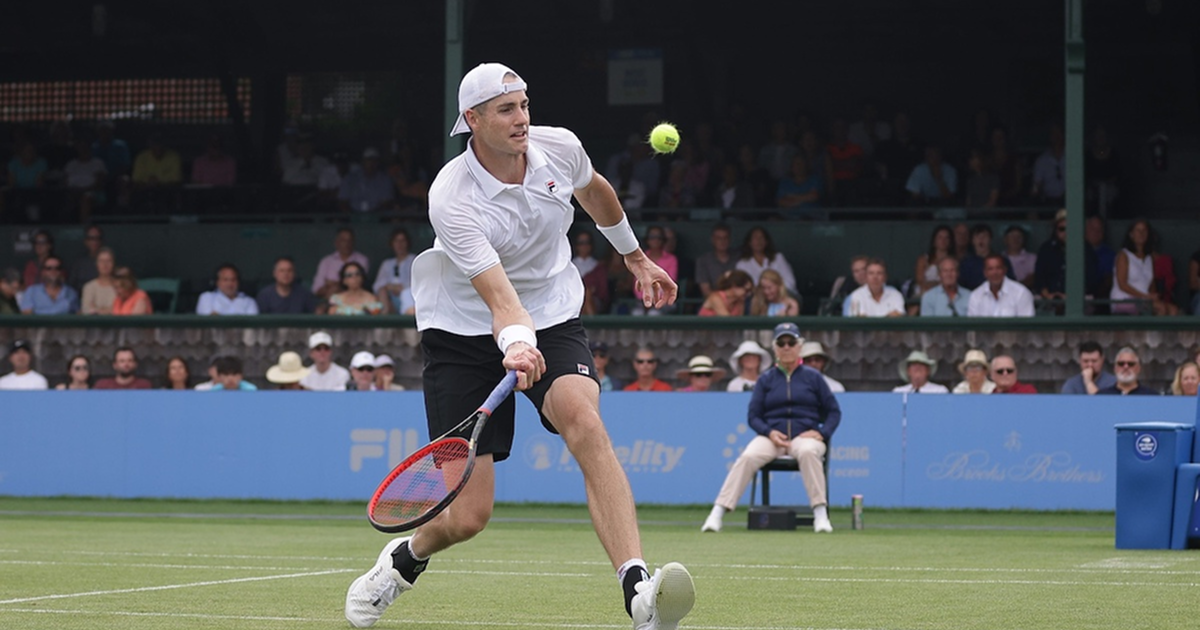
Images: Louis Walker III/Newport Daily News