“Sometimes learning helps you realise you’re already on the right path”: the story of Mariia Berezovska
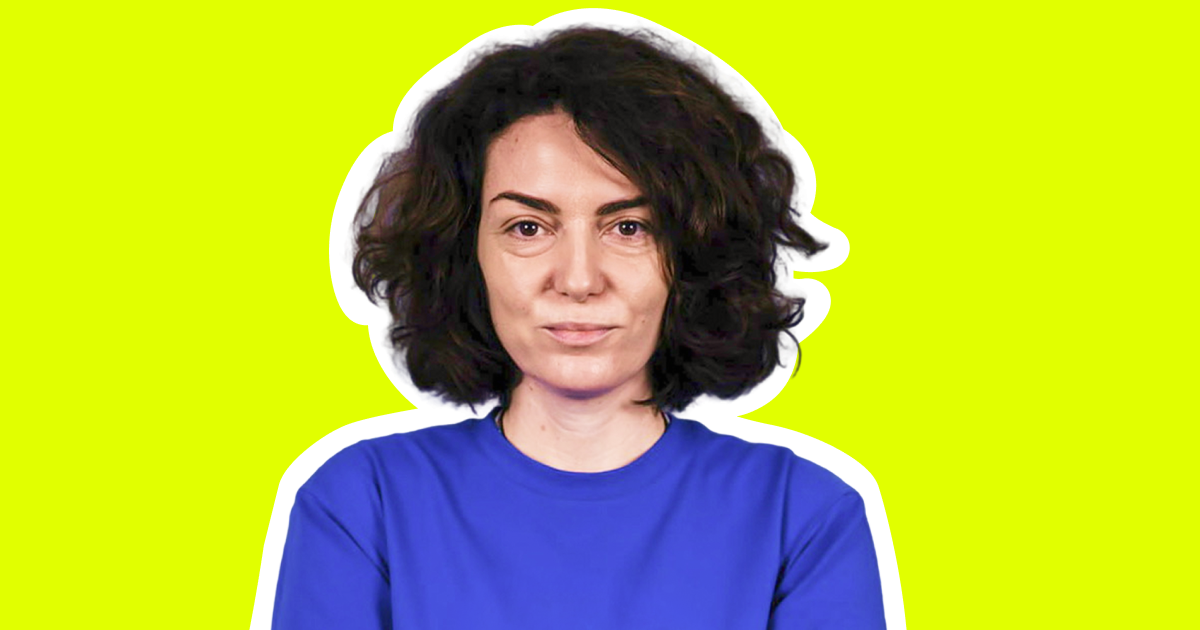
In this series, we’re introducing you to the Marta Kostyuk Foundation community — people who, together with us, are creating more opportunities for children through tennis.
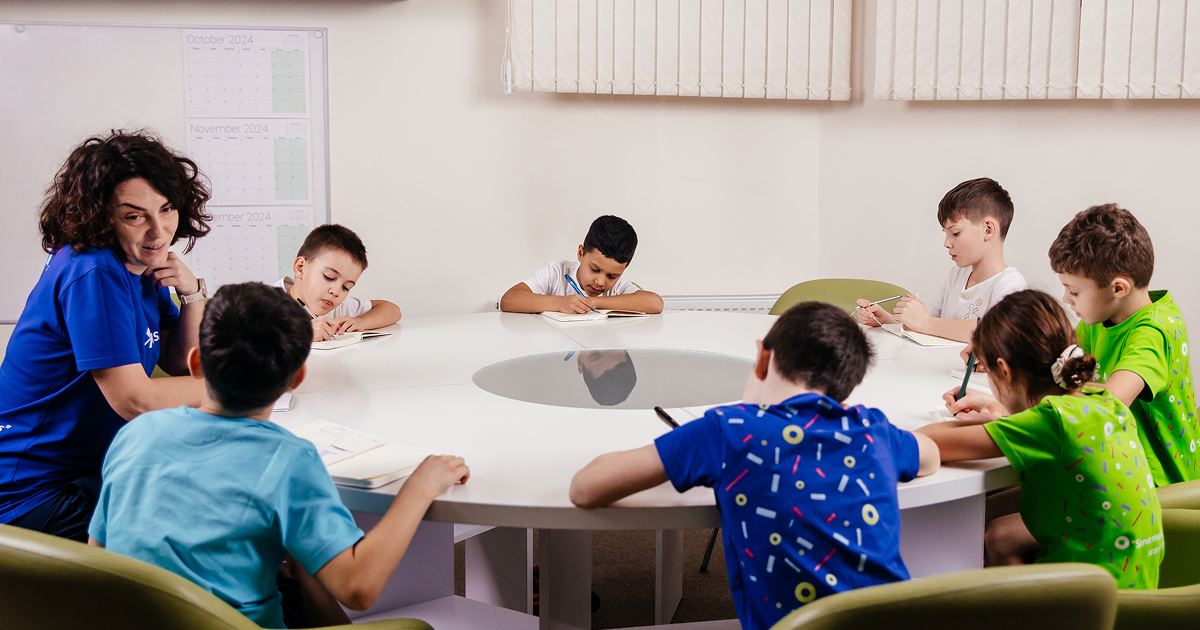
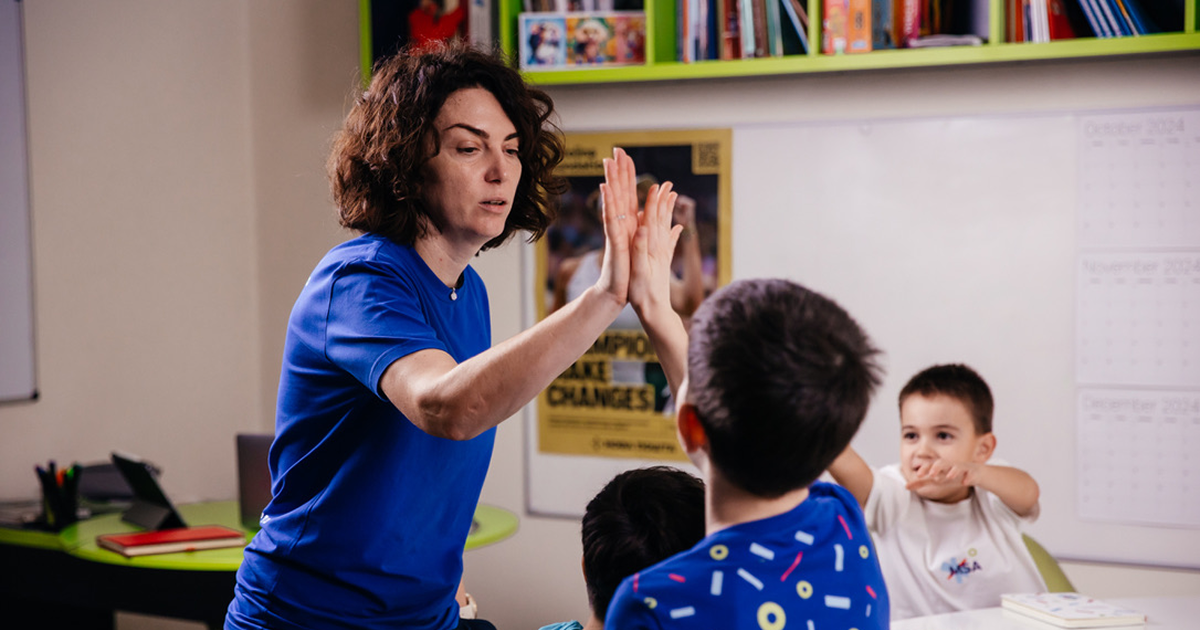
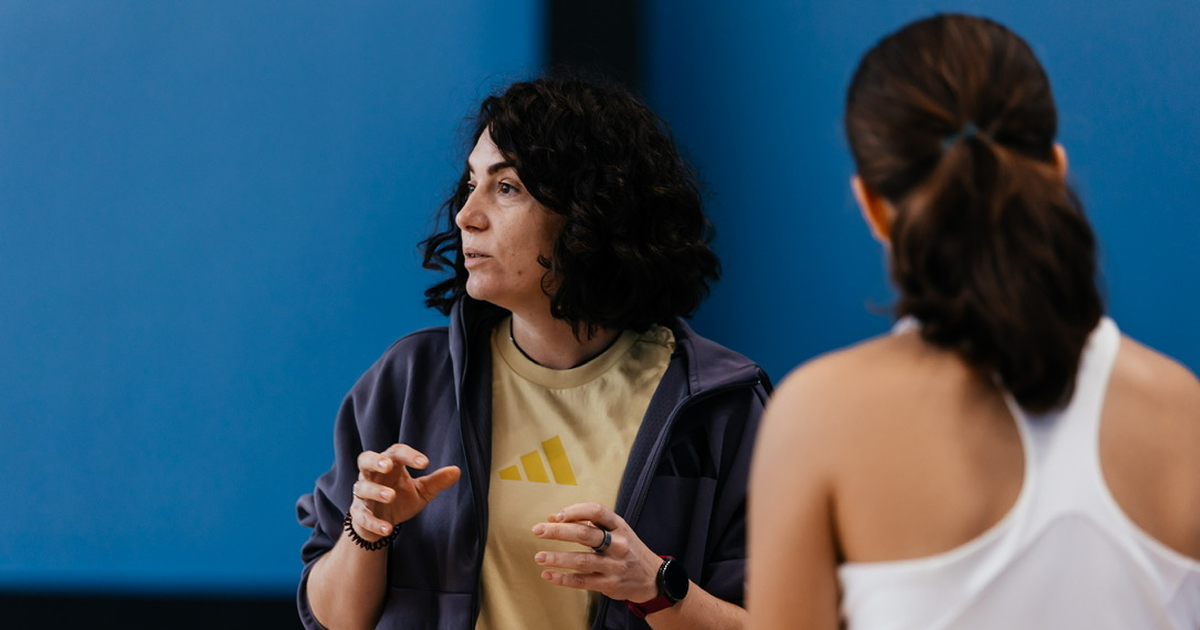
Mariia Berezovska has been involved in tennis for more than 20 years. She started as a player and now works as a coach. She became one of five recipients of the Foundation’s scholarship programme, which gave her the opportunity to take a sports psychology course led by Damien Stewart.
Tennis as a way of understanding children
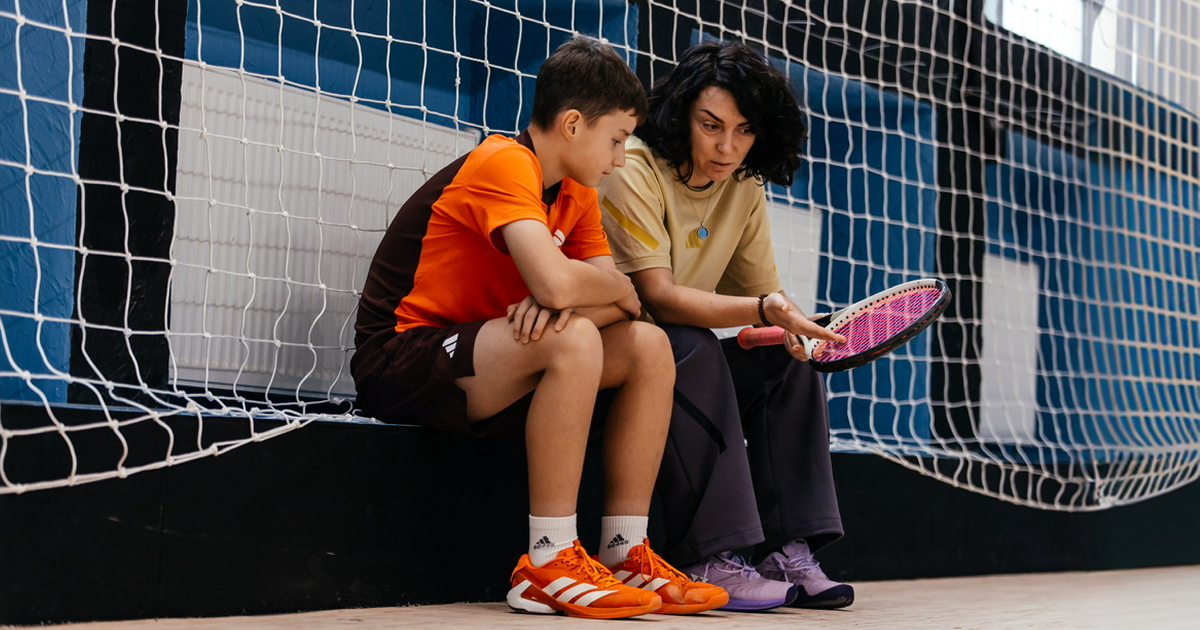
For Mariia, tennis has long been part of everyday life. She sees it as a space where it’s possible to understand children on a deeper level: “Tennis is a language of feelings for me. Every child on the court shows things they can’t put into words: how they deal with mistakes, how they see themselves, how they relate to others. And through tennis, I can tell them things that aren’t always easy to say directly.”
Mariia has a strong interest in neuropsychology and believes that the deepest learning happens through experience and feeling: “A racket isn’t just a piece of equipment — it’s an extension of the nervous system.”
Learning to keep moving forward
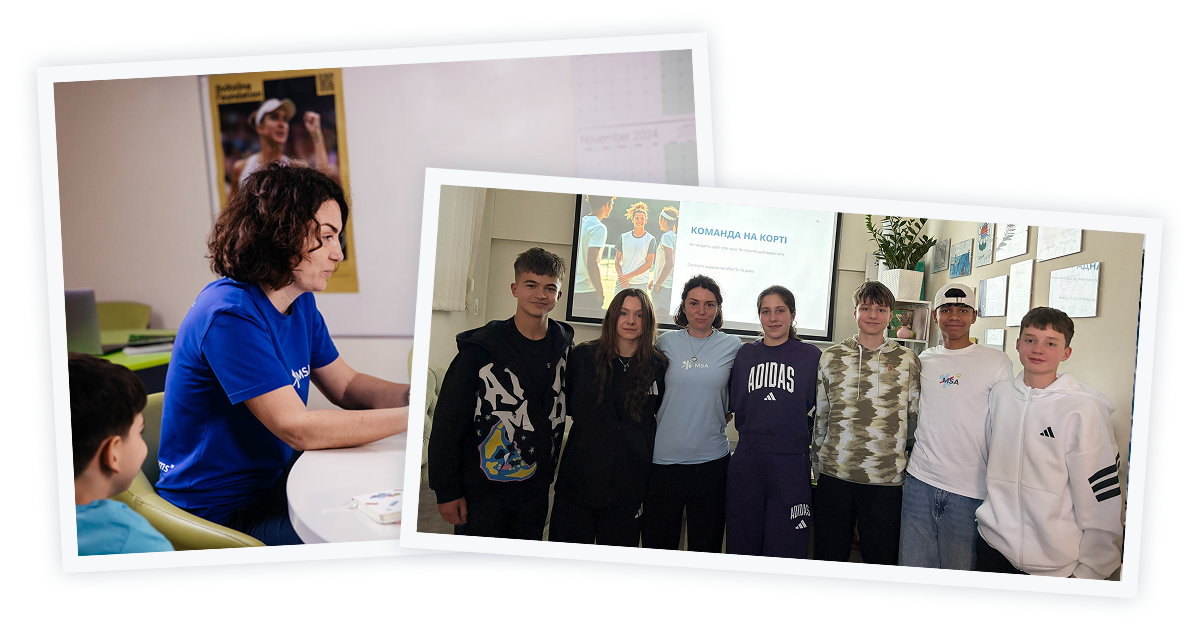
Mariia says she always tries to make the most of every opportunity to learn. That was the main reason she applied for the Foundation’s scholarship programme: “Every opportunity to learn is an opportunity. It’s a chance to discover something new, move forward, look at familiar things from a different perspective, reassure yourself that you’re heading in the right direction, or find one idea that changes a small detail in your work.”
When theory validates practice
One of the key topics on the course was Self-Determination Theory. For Mariia, it confirmed that many of the approaches she had already been using intuitively were grounded in scientific research: “It gave me the scientific language for what I had already been doing intuitively: if an athlete lacks autonomy, connection or competence, they aren’t ‘lazy’. They’re exhausted.”
She adds that learning doesn’t always mean discovering something completely new: “Sometimes it means pausing, looking at your work from a different angle and saying to yourself: yes, this makes sense, keep going. Coaches rarely give themselves that space — and that’s a shame.”
Small tools, meaningful change
Since completing the course, Mariia has paid even more attention to simple techniques that help athletes build inner stability: “One cue word, mindful breathing, a short check-in after training. Simple things that build inner stability better than any motivational speech.”
The course also helped her explain more clearly to fellow coaches and parents what is happening when a child withdraws after making a mistake or stops believing in themselves.
“It’s one thing to sense it, and another to be able to explain it and pass that understanding on.”
Lessons that last a lifetime
Mariia believes the greatest gift sport can give a child is inner resilience: “The ability not to be broken by mistakes. To know there’s something inside you that doesn’t depend on the score or someone else’s opinion. To understand that things don’t always work the first time, and that you can keep trying again and again. Sport is simply the place where this is practised. If it’s done well, it stays with you for life.”
That’s why the Marta Kostyuk Foundation supports the professional development of coaches. The knowledge they gain today helps create an environment where sport becomes a space for growth, support and new opportunities for children.