What is the Open Era in tennis and when did it begin?
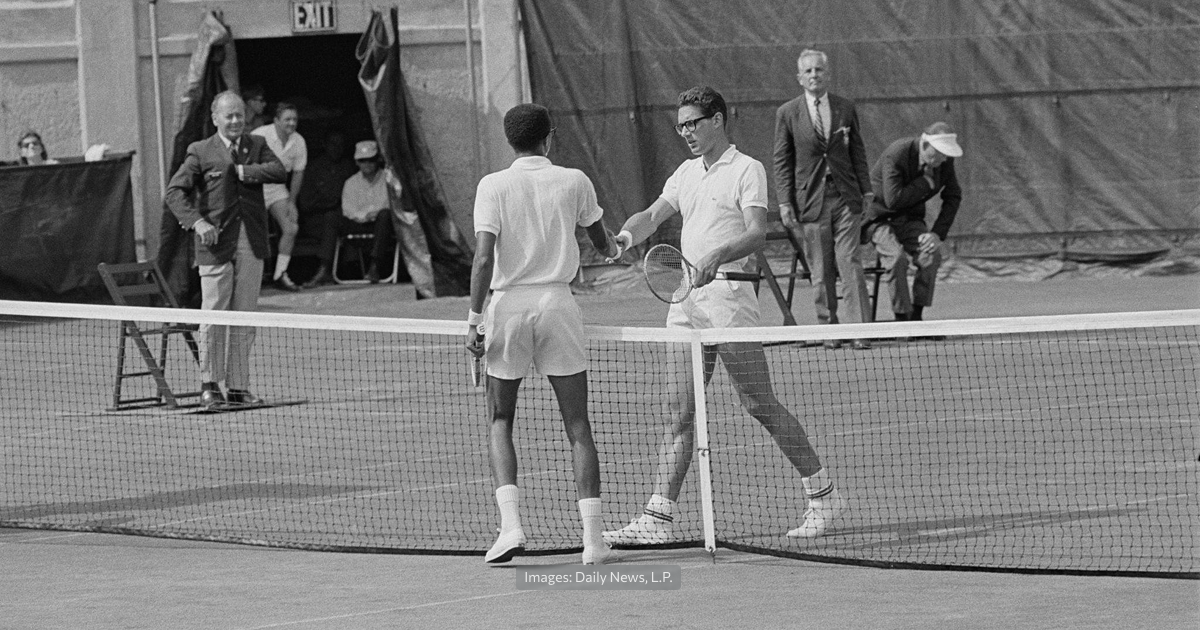
Today, the world’s best tennis players can compete against one another at Grand Slam tournaments, earn prize money and build professional careers. Before 1968, tennis worked very differently.
Players were divided into amateurs and professionals. Amateurs could compete at the most prestigious tournaments, including the Grand Slams, but officially could not earn money from tennis as professional athletes. Those who turned professional and began earning money from playing lost the right to compete at these events.
As a result, some of the world’s best players simply could not play at Wimbledon, Roland-Garros and other major tournaments. In 1968, the system changed: professionals were allowed to compete alongside amateurs. This marked the beginning of the Open Era, which continues today.
Here, we look at why tennis divided players into two groups in the first place, why the old system eventually stopped working and what changed in 1968.
Amateurs and professionals: what was the difference?
Today, the word ‘amateur’ might suggest someone who plays recreationally and at a much lower level than a professional. In tennis at the time, that was not necessarily the case.
Some of the world’s leading players were amateurs. They could compete at Grand Slam tournaments and represent their countries in major international competitions, but officially they could not receive prize money as professional athletes.
Professional players, meanwhile, signed contracts and earned money by competing in separate professional tournaments and exhibition series. Once a player turned professional, they could no longer simply return to the leading amateur competitions. Professionals were excluded from the Grand Slams and major team events.
This created an unusual situation: a player could turn professional and begin earning a living from tennis, while simultaneously losing the opportunity to compete for some of the most prestigious titles in the sport.
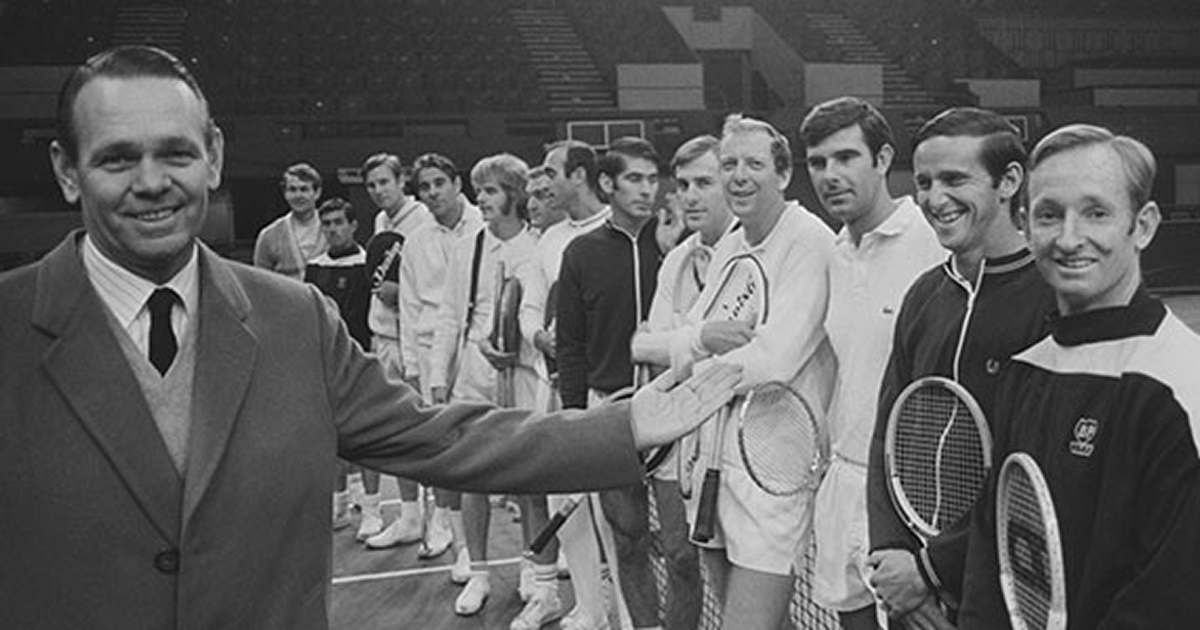
Images: Ronald Dumont / Daily Express / Getty Images
Why did the system become a problem?
Over time, the divide reflected the reality of tennis less and less. Professional tennis was growing, and prominent players were turning professional so they could earn money from the sport. As a result, the major traditional tournaments could no longer always bring together all of the world’s best players.
At the same time, the concept of amateurism itself was becoming increasingly blurred. Some players who were officially classified as amateurs received expenses and unofficial payments. Roland-Garros, when looking back at this period, uses the term shamateurism to describe a system in which nominal amateur status could coexist with payments behind the scenes.
The distinction between the two groups therefore became increasingly difficult to justify: professionals were officially excluded from the biggest tournaments even as tennis itself was moving towards a professional model.

What changed in 1968?
The turning point came in 1968, when tennis began opening tournaments to both categories of players. The first tournament of the new era was the British Hard Court Championships in Bournemouth, which began on 22 April 1968.
The following month, Roland-Garros became the first Grand Slam tournament of the Open Era. Professionals who had previously been excluded from the major championships were able to compete again.
The word Open captures the essence of the change: tournaments were now open to both amateurs and professionals. This is why 1968 marks the beginning of the Open Era.
Images: Getty Images
Who won the first Grand Slam of the Open Era?
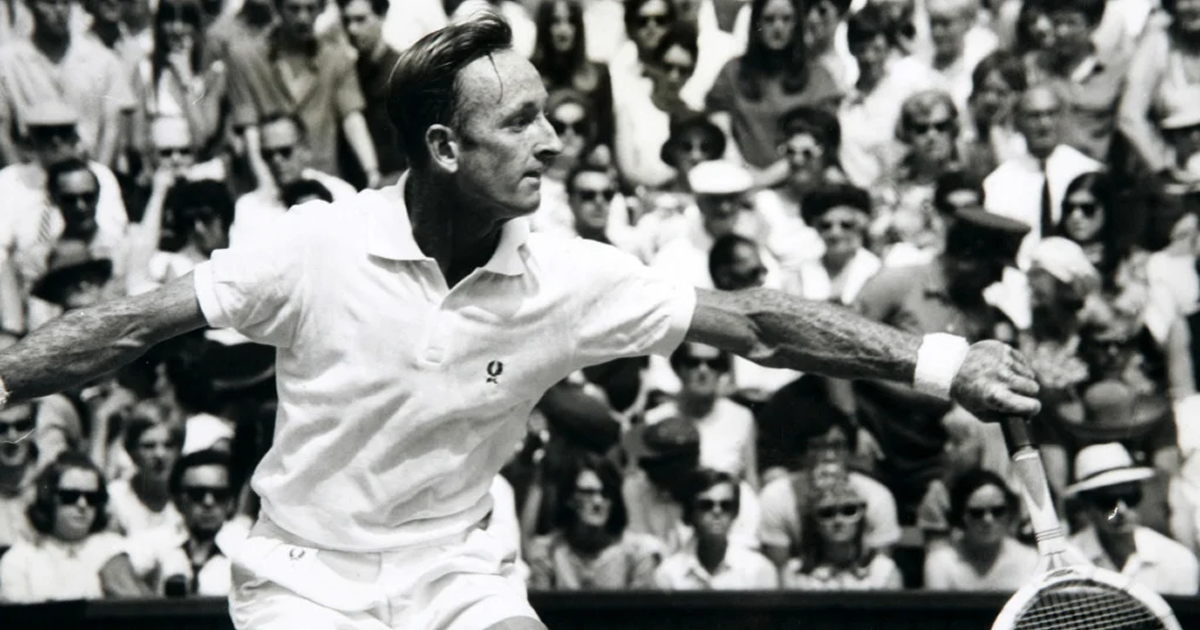
The first Grand Slam of the new era was Roland-Garros in 1968. Australian Ken Rosewall, one of the leading professional players of his generation, won the men’s singles title. He received 15,000 French francs in prize money, approximately $3,000 at the time.
The women’s tournament was won by American Nancy Richey. Her story shows just how transitional 1968 was: Richey was still an amateur at the time and did not accept the prize money because she feared losing her eligibility to compete in the Fed Cup, the leading international team competition for women’s national teams, now known as the Billie Jean King Cup.
The Open Era therefore did not transform the entire tennis system into the one we know today overnight. For a time, old and new principles continued to exist alongside one another.
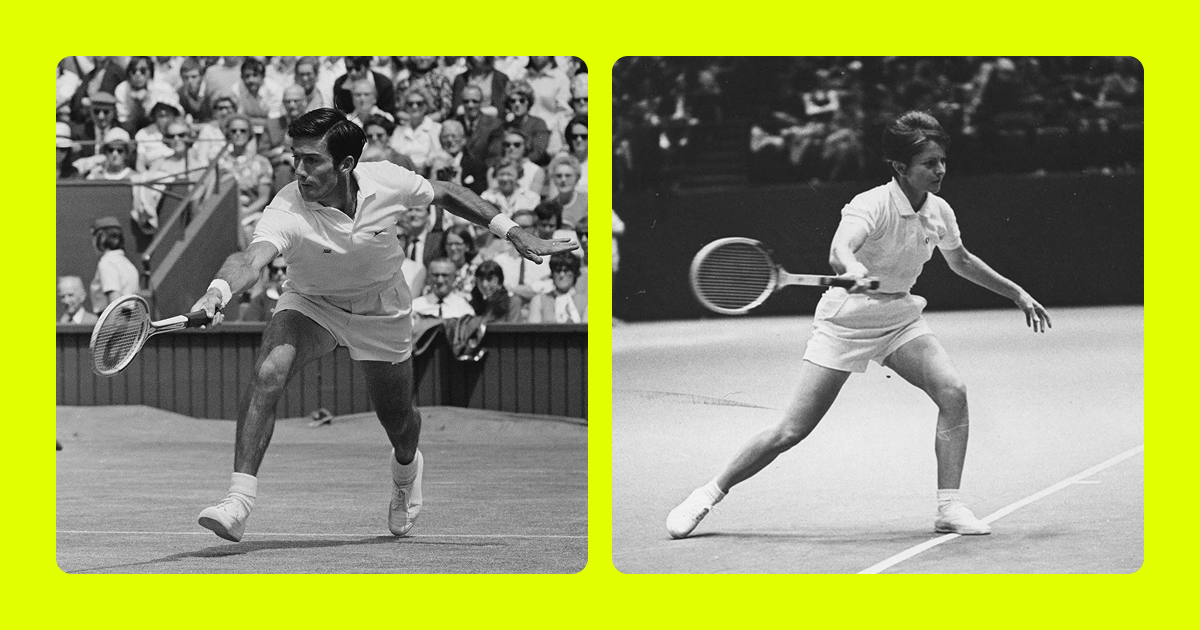
Images: Left Photo — Dennis Oulds—Central Press/Hulton Archive/Getty Images; Right Photo — usopen.org
Wimbledon opens its doors to professionals
Wimbledon followed in the same year. The tournament’s official history records 1968 as the first year in which the Championships were open to all categories of players.
Rod Laver won the men’s title and Billie Jean King the women’s. Laver received £2,000 in prize money, while King received £750. It was the first Wimbledon at which prize money was awarded.
For tennis, this represented a fundamental change: its most prestigious tournaments were gradually becoming part of the same professional sporting landscape.

Images: Left Photo — Associated Press; Right Photo — Ern McQuillan OAM
Why was the Open Era so important?
1968 changed the way tennis was organised. The best players no longer had to choose between earning a living from tennis and competing at its most prestigious tournaments. Grand Slam events could once again bring leading amateurs and professionals together in the same draws.
This created the foundations for tennis to develop into the modern professional sport we know today, with official prize money, international tours and the opportunity for players to build careers around competing.
The transformation did not end in 1968. Professional tennis continued to evolve over the following years: the ATP was founded in 1972, followed by the WTA in 1973, while ranking systems and tour structures continued to develop.
It is therefore more useful to think of 1968 as the starting point of the modern era of tennis rather than the year in which the entire system we know today appeared at once.

What does the Open Era mean today?
When tennis statistics refer to an Open Era record, they mean a record achieved since the beginning of the Open Era in 1968. This is why historical tennis records are sometimes separated into all-time records and Open Era records. Tennis had existed for many decades before 1968, but that year marked the beginning of a fundamentally different model of professional competition.
The essence of the change is straightforward. Before 1968, a player’s status could determine whether they were allowed to compete at the world’s most prestigious tournaments. The Open Era gradually removed that barrier, allowing the best players to compete against one another regardless of whether they earned their living from tennis.